
Pigeons Win a War (Almost)
A messenger dove flies into Athens—its wings smeared with Persian purple.
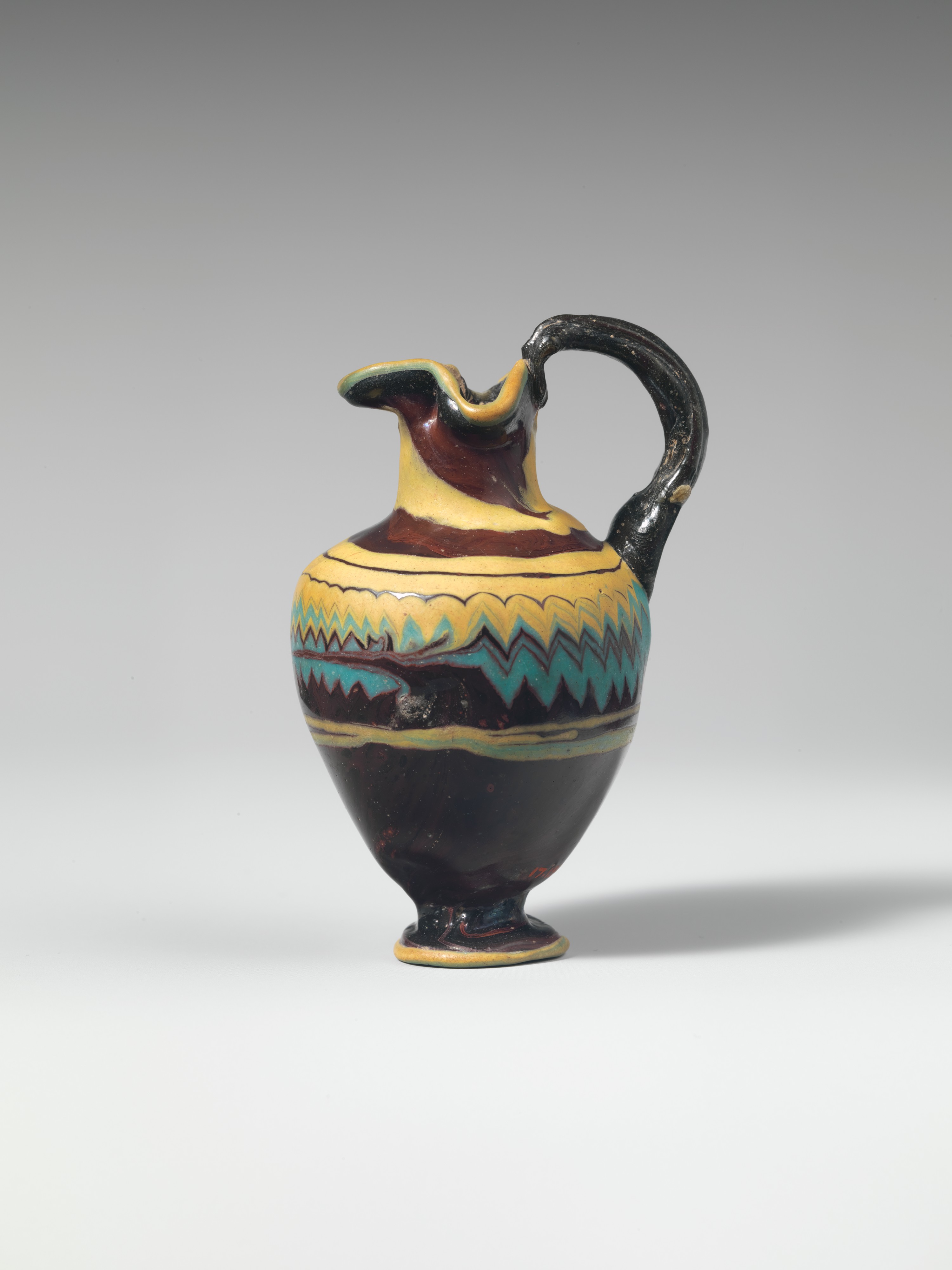
Unknown — "Glass oinochoe (perfume jug)" (5th century BCE), public domain
A feathered hero in wartime Athens
As the Persians threatened Athens in 480 BC, panic gripped the city. Suddenly, a pigeon fluttered in from the Greek fleet, streaked with a streak of purple dye. The sign was clear—victory at Salamis. Joy erupted before the full news even arrived.
Wings of rumor, seeds of hope
Ancient sources like Aelian describe the Athenians using pigeons to signal outcomes of distant battles. While we can't prove every detail, this tiny messenger’s dramatic arrival shaped the city’s mood in real time. Sometimes, desperate people cling to feathers and dye.
A fleeting message, a lasting legend
Athens survived the crisis, but the story stuck: information can win hearts before armies win wars. Even centuries later, pigeons flutter through tales of cunning and hope—always one step ahead of certainty.
A single pigeon’s arrival convinced the Athenians that their navy had triumphed at Salamis. In a city hungry for hope, sometimes a bird becomes a headline.
