
Archimedes and the Burning Mirrors
Roman ships burst into flame just yards from shore—thanks to sunlight and the mind of Archimedes.
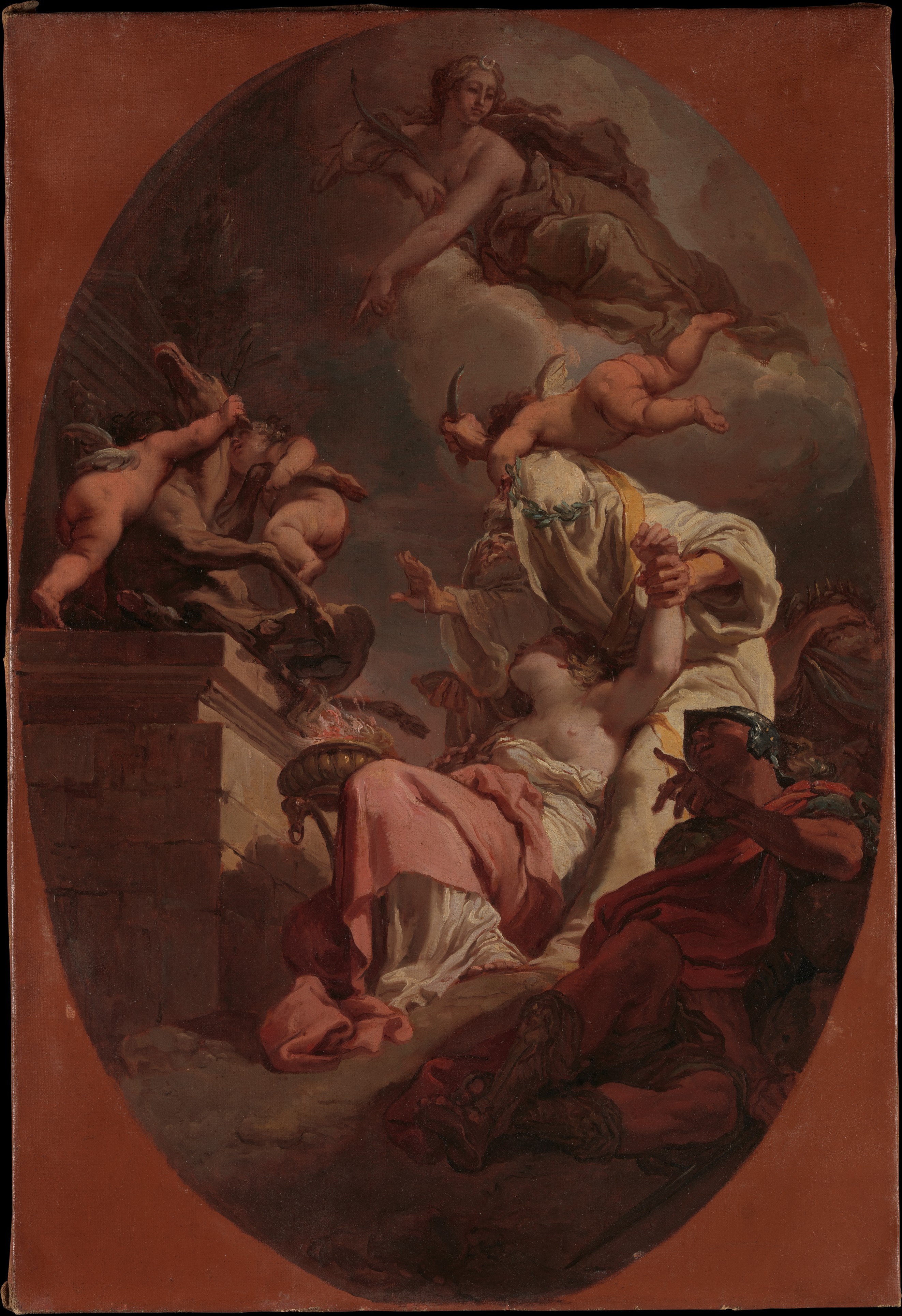
Gaetano Gandolfi — "The Sacrifice of Iphigenia" (1789), public domain
Ships set alight by science
During the Roman siege of Syracuse, some ancient writers claim Archimedes stood atop the city walls—arraying polished bronze mirrors to focus the sun’s rays. Suddenly, Roman warships smoldered and caught fire, forcing the fleet to pull back in confusion and terror.
Legend or laser show?
Writers like Galen and Lucian described the burning-mirror defense, and Renaissance artists couldn’t get enough of it. But the only contemporary source, Polybius, never mentions it. Modern attempts to replicate the feat mostly fail, but the story terrified Romans—and made Archimedes a legend far beyond mathematics.
Ancient sources claim Archimedes used bronze mirrors to focus sunlight and ignite Roman ships, though modern tests cast doubt. Even so, the legend haunted enemy engineers for centuries.
