
Sulpicia: The Young Poetess Scandalizing Rome
A teenage girl penned love poems so raw and direct that even in decadent Rome, they caused a stir. Her name was Sulpicia—and she signed her work herself.
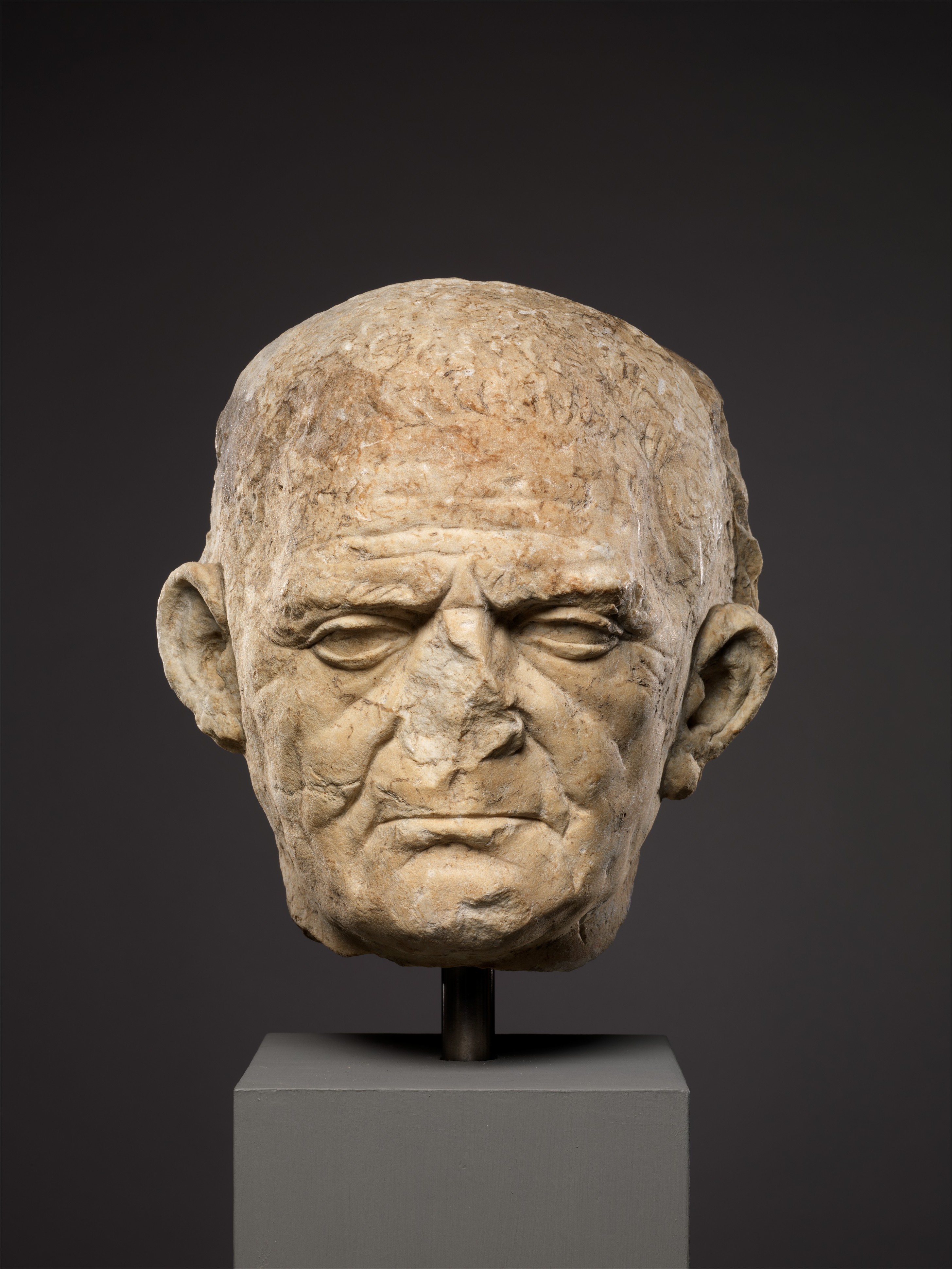
Unknown — "Marble portrait of a man from a funerary relief" (late 1st century BCE), public domain
Desire in Her Own Name
Sulpicia wasn’t just the only female poet from Rome whose work survives under her own name—she was a teenager writing about sex, longing, and defiance. Her lines shimmer with urgency: she wants, she acts, and she does not apologize.
Rome’s Silent Women, Her Loud Pen
Most Roman women’s words were filtered, if they survived at all. But Sulpicia’s short bursts of poetry landed like thunderclaps. Her poems slipped into the literary collections of men like Tibullus, too powerful to ignore, too personal to erase.
Her Defiance Echoes
Through scribes, censors, and centuries, Sulpicia’s voice survives—defiant, young, and undeniably her own. In a literary world run by men, she forced the audience to meet her gaze.
Sulpicia’s verses break every rule for a Roman woman. In a city where female voices were almost always erased or filtered through male authors, she wrote boldly of her own desires. Her poems survived only because men tried—and failed—to hide them.
