
Were Spartans Really Anti-Wealth?
You’ve heard it: Spartans banned gold and lived in grim equality—no luxury, no riches, just iron bars for money.
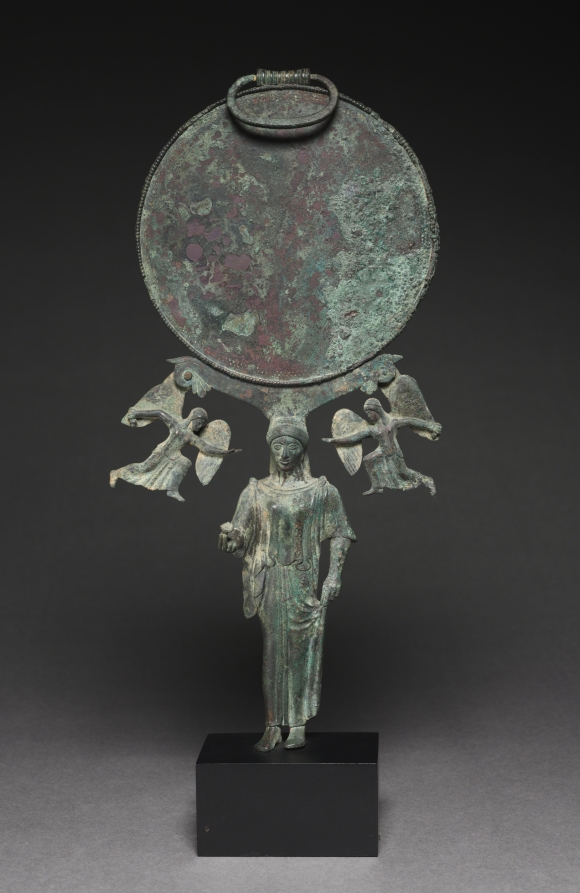
Unknown — "Mirror" (c. 470–460 BCE), CC0
Spartans, allergic to luxury?
The myth is famous: Spartans supposedly rejected wealth, banned gold, and lived with only what they could carry. No jewelry, no coin, no comfort—just iron bars for trade and gritty discipline for life. Spartan society, we’re told, was a brotherhood of equals.
The reality, glittering in the dirt.
Excavations at Sparta’s sanctuaries and tombs dig up a different truth: gold rings, ivory combs, painted pottery from Athens and the east. By the 5th century BCE, elite Spartans competed for lavish grave goods and imported art. The iron-bar currency? A brief, awkward experiment, mostly ignored.
Austerity as propaganda.
Sparta’s anti-wealth image came from their own laws—at least as they told them—and later Greek admiration. But texts and tombs show a city where status still shone, just less loudly. The world wanted to believe Spartans were pure; Spartans wanted to look too tough to care.
Archaeology tells a different story. By the 5th century BCE, Spartan elites flaunted jewelry and imported fine pottery. The city’s obsession with austerity was often just good PR—while the richest Spartans quietly got richer.
