
Spartans: Not Filthy, Not Bathroomless
Spartans didn’t even have bathrooms, right? Sweat, dirt, and mud—real warriors never bathed. That’s the image.
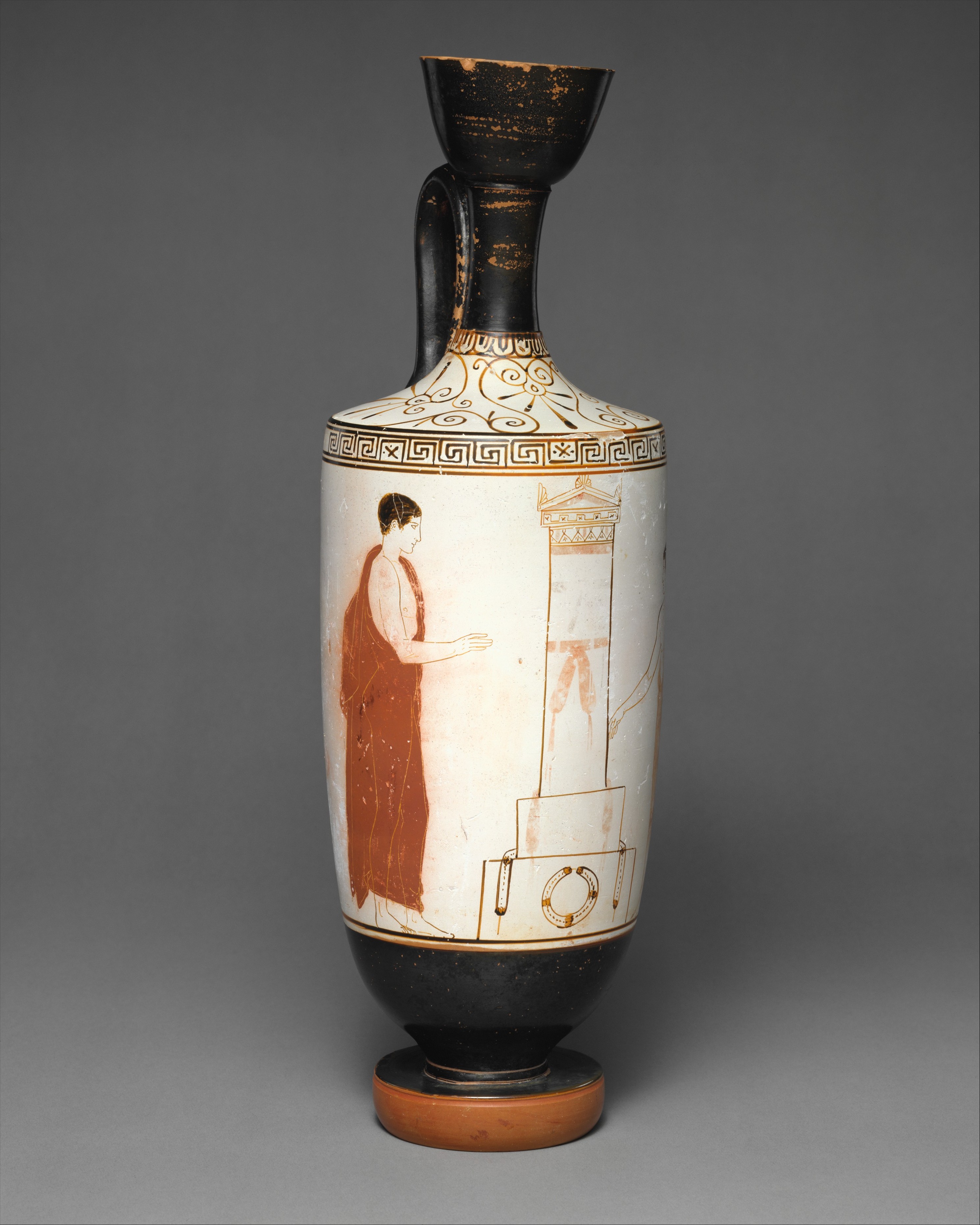
Achilles Painter — "Terracotta lekythos (oil flask)" (ca. 440 BCE), public domain
The myth of the dirty Spartan
Hollywood sells Spartans as mud-splattered, sweat-soaked warriors—too tough for soap, too busy for bathhouses. No baths in Sparta, just dirt and discipline. That’s how a real Spartan smells, right?
Bathhouses in the heart of Sparta
Excavations in Sparta have uncovered sophisticated public baths—stone tubs, drainage, and heating. Ancient writers like Xenophon admired the Spartans’ daily grooming rituals: long, brushed hair, oiled skin, and even scented baths before battle. Cleanliness was a Spartan badge.
How did the myth stick?
Victorian moralists and modern movies loved the image of the unwashed brute. But in ancient Greece, greasy locks and sweat were signs of neglect—not toughness. A Spartan who skipped the bath was failing his city.
Archaeology says otherwise: Sparta had some of the best public baths in Greece, and their warriors were famous for long, oiled hair and daily grooming. Spartan grime is a modern fantasy.
