
Spartan Babies and the Cliff Myth
We picture Spartan elders inspecting newborns, then hurling weak babies off a cliff called the Apothetae. Brutal, right? But there’s almost no evidence it happened.
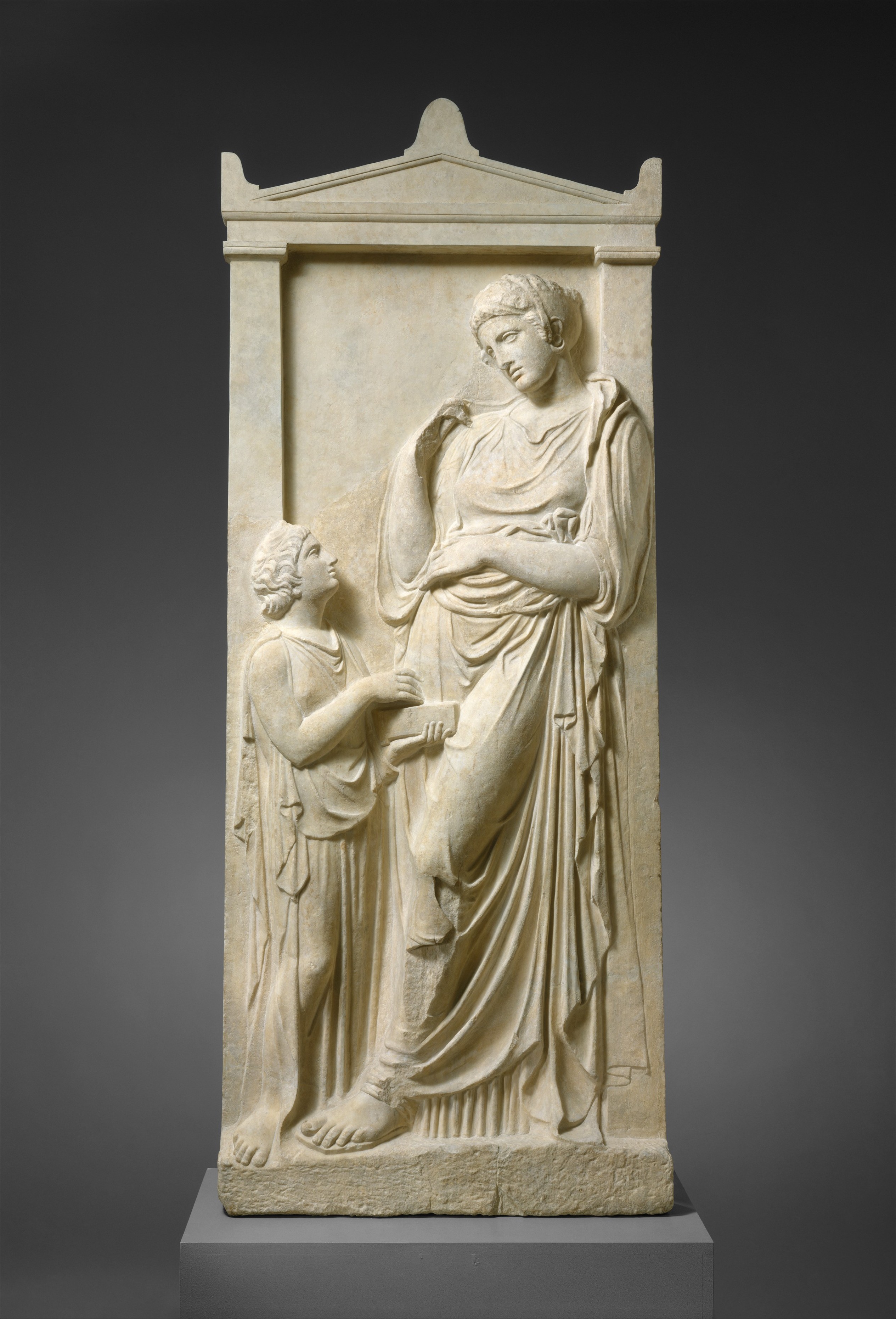
Unknown — "Marble grave stele of a young woman and servant" (ca. 400–390 BCE), public domain
The cliff of doom?
You’ve seen it in documentaries and movies: Spartan elders inspect a newborn, nod grimly, and toss the weak off a cliff. That story chills every modern spine—ancient Sparta as a machine for making warriors, sparing no one.
The real Spartan judgment.
Here’s the surprise: almost no ancient historian describes this as a routine practice. Plutarch—writing centuries later—mentions the inspection, but not the baby-tossing. Weak infants might be exposed outside the city, a common Greek custom, but the famous cliff is more legend than fact.
How did the myth take root?
The image of Spartans as inhuman disciplinarians fascinated later writers. The cliff story stuck, embroidered by centuries of retelling. It’s memorable, shocking—and almost certainly exaggerated.
The infamous ‘cliff test’ is nearly absent from ancient sources. Plutarch mentions exposure, but not routine executions. Most likely, the story grew in retellings—Spartan reality was harsh, but not cartoonishly cruel.
