
Did Spartans Really Eat Black Broth?
Ask anyone about Spartan cuisine, and you’ll hear about the legendary 'black broth'—a grisly soup of blood and vinegar, slurped by warriors before battle.
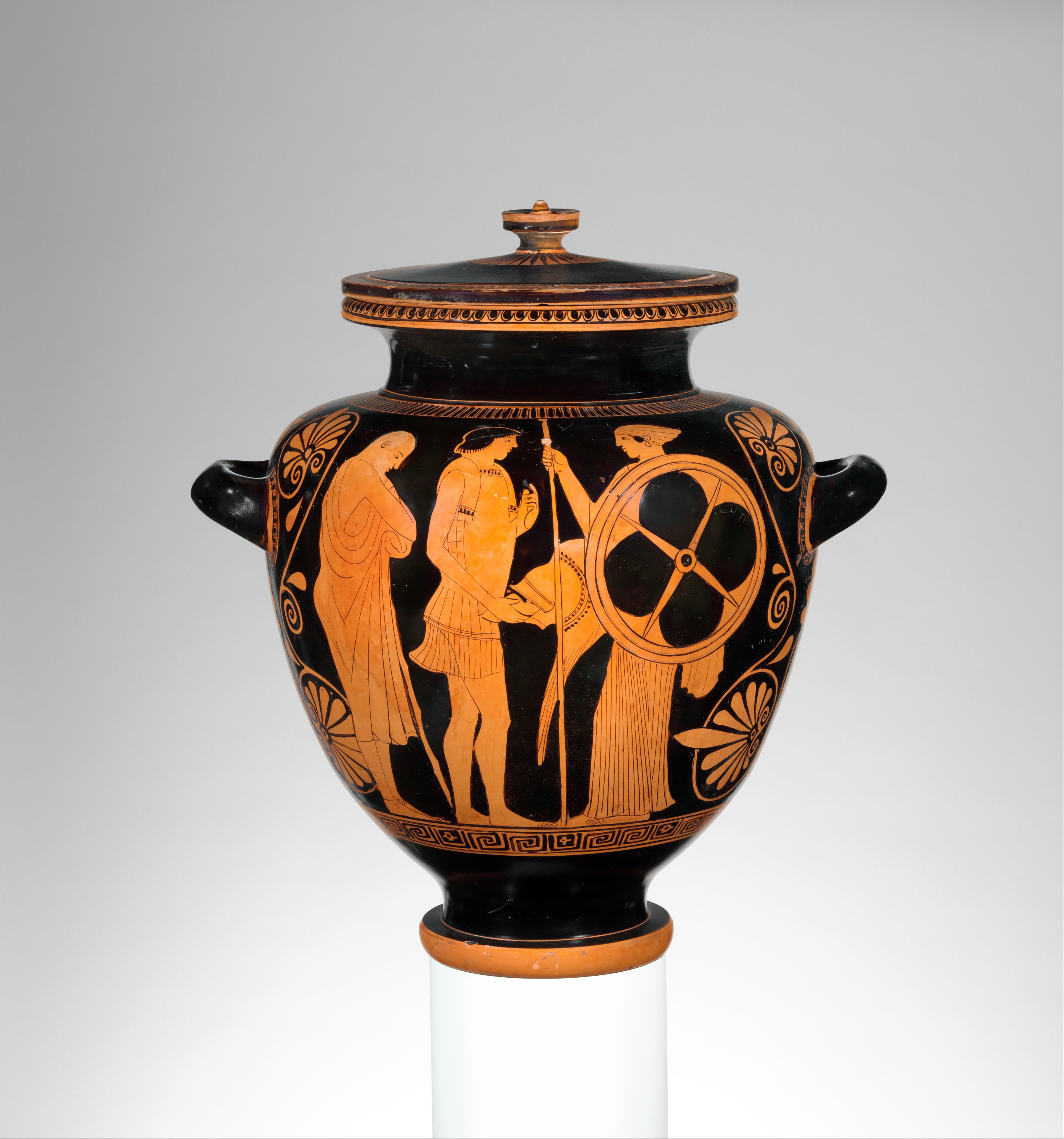
Deepdene Painter — "Terracotta stamnos (jar)" (ca. 470–460 BCE), public domain
That infamous Spartan blood soup.
We’ve all heard it: Spartans, hard as iron, dined on a pitch-black stew of pig’s blood, vinegar, and salt. The so-called 'black broth' made grown men gag and inspired centuries of disgusted shudders. Was every Spartan meal a test of stomach?
The truth is less gruesome—and more human.
Ancient writers like Plutarch mention 'melas zomos,' but mostly as outsider horror stories. Archaeology and ancient menus show Spartans ate plenty of bread, cheese, and fruit, with meat at feasts. The 'black broth' likely existed, but it wasn’t the daily fuel—just one dish among many.
Why did this myth stick?
Greek and Roman writers loved the image of ultra-tough Spartans, nothing but blood in their bowls. Outsiders exaggerated the weirdest meal as if it summed up the whole culture—a culinary badge of toughness. Real Spartan dining was a lot more varied, and a lot less sensational.
While ancient writers mention black broth, there’s little evidence it was the daily staple of Spartan meals. Outsiders hyped it as a symbol of Spartan toughness, but real Spartans likely ate bread, cheese, figs, and meat—much like other Greeks.
