
Spartacus: The General Who Was Once a Prize
A Thracian gladiator, shackled for the crowd’s pleasure, ends up commanding an army that terrifies Rome for two years straight.
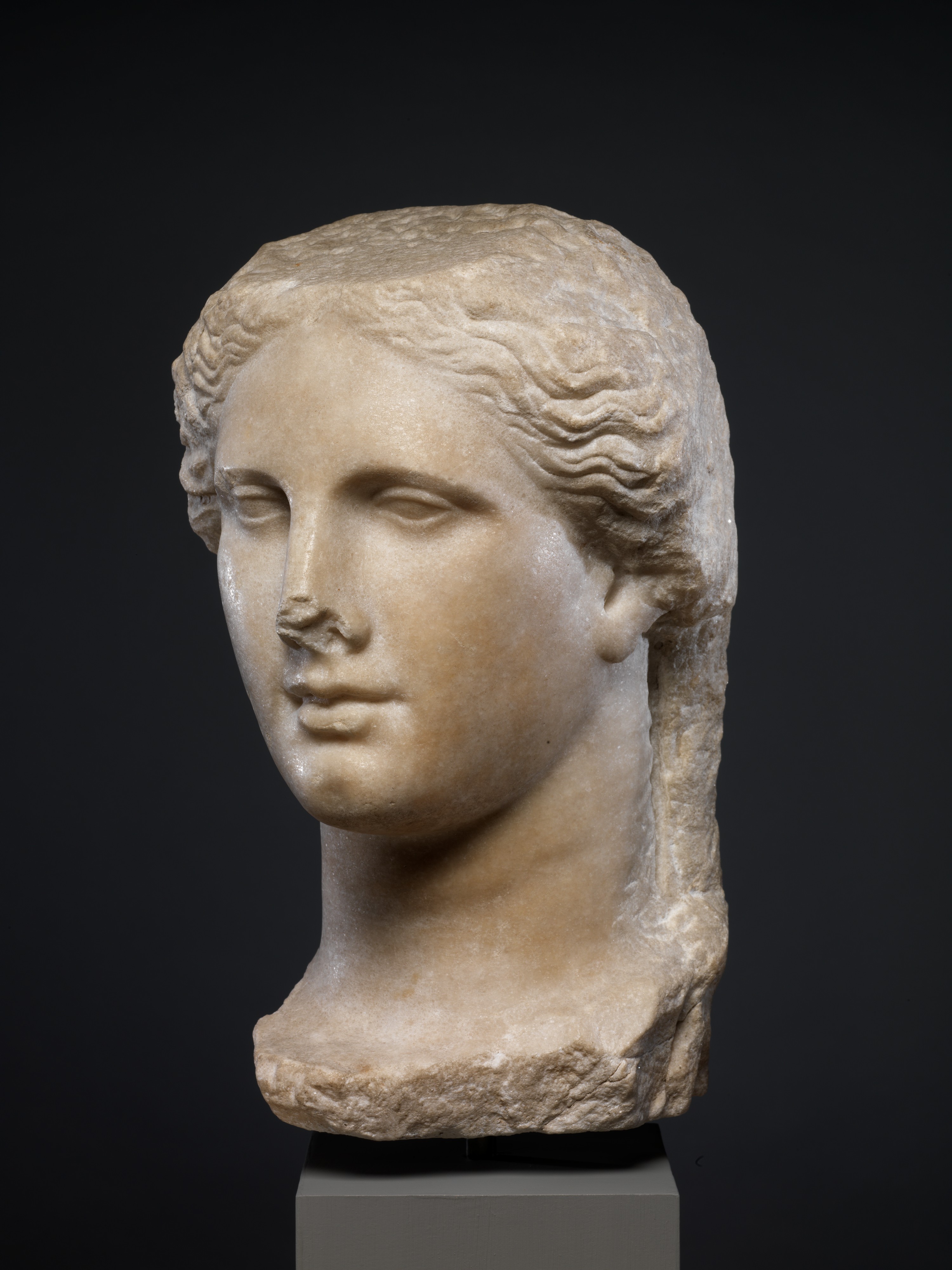
Unknown — "Marble head of a Ptolemaic queen" (ca. 270–250 BCE), public domain
Shackled Fighter, Unshackled Mind
They train him for blood. Spartacus is meant to die for sport, not to lead. Yet he dreams of more—of open sky, of a name that means freedom instead of property.
He Turns Slaves into Soldiers
Rome expects easy slaughter. Instead, Spartacus unites gladiators and shepherds, organizes foraging parties, and outwits consuls. His army swells—men who have nothing left but the fight. For a while, Rome’s greatest fear is a man they once called a nobody.
Rome Never Forgives Escape
Spartacus dies on the battlefield, surrounded, never captured alive. Rome crucifies his followers along the Appian Way—a warning hammered into wood. But his rebellion echoes for centuries, every time the powerful fear the powerless might remember their strength.
He begins as property—sold, branded, forced to fight under the arena’s roar. But Spartacus escapes, and suddenly the master of the world is hunting a runaway. He turns a handful of slaves into tens of thousands, defeats Roman legions, and breaks every rule of what a slave is supposed to be.
