
On This Day: Solstice Blood for Athens’ Hearth
Around June 21, Athenians marked the solstice with a jolt: the Bouphonia, where an ox was slaughtered on the Acropolis—and no one took the blame.
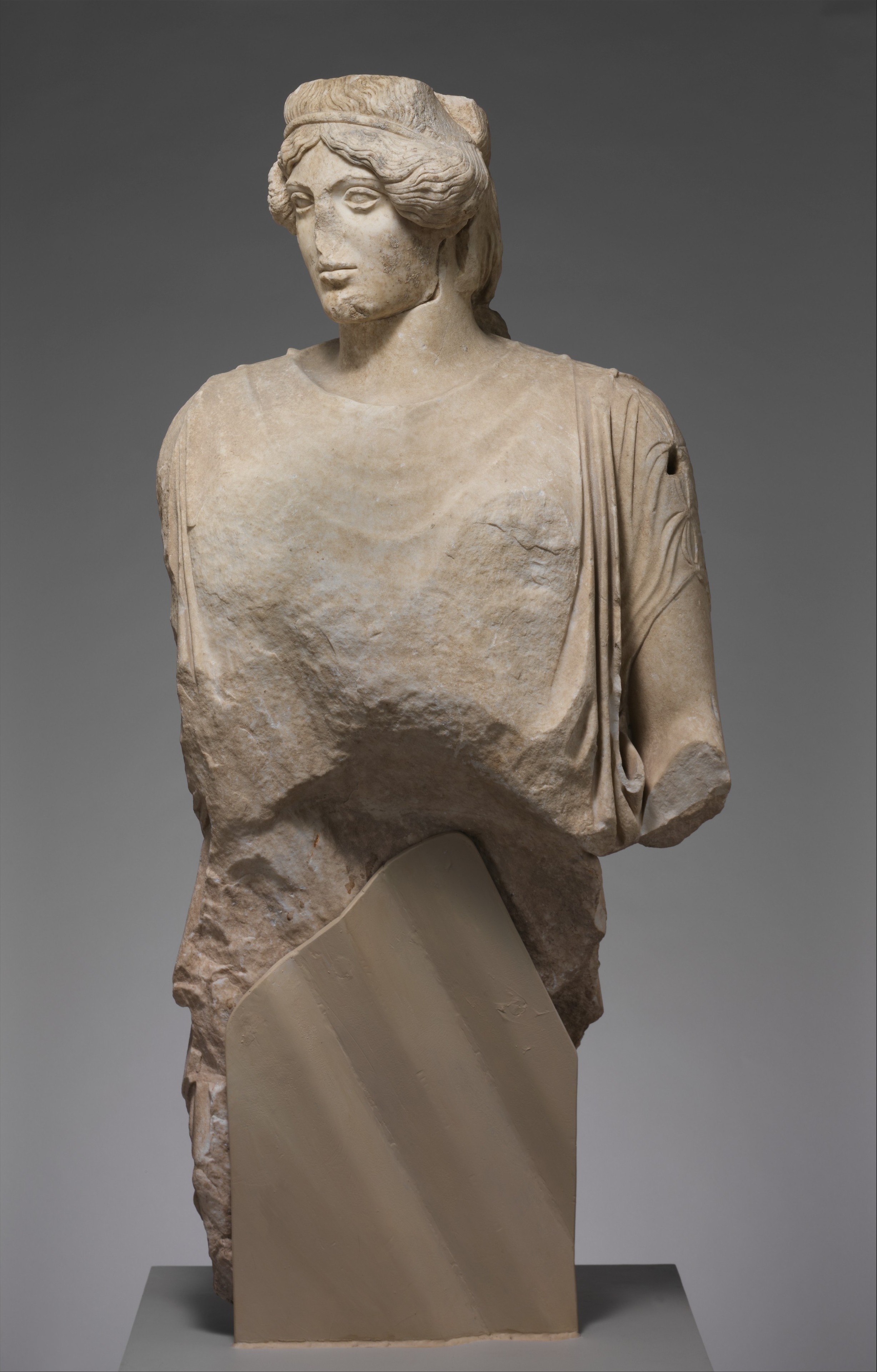
On This Day: Solstice Blood for Athens’ Hearth, public domain
A scapegoat at the solstice.
The summer solstice in Athens was no gentle turning of the year. It was the time for the Bouphonia: a perfect ox was led up the Acropolis, and a priest killed it in sacrifice. Instantly, the priest cast away the axe—and a bizarre trial began.
Blame the knife, not the man.
One by one, the tools and each person passed the blame: the axe was found guilty, not the priest. The ritual ended with the object punished, not the hands. For Athenians, even the gods needed legal loopholes—and nobody wanted the blood on their soul.
A festival that wrestled with guilt.
Why this dance? Ancient writers murmur about old fears that killing a work animal was dangerous, yet still necessary. The Athenians staged a courtroom drama at the city’s sacred center—a way to keep order, even when confronting what every city needs, but nobody wants to own.
The Bouphonia exposed something raw about Greek religion—a perfect animal was killed, then everyone denied responsibility, blaming the knife and the men’s hands. Law and guilt, tangled at the city’s burning heart.
