
Seneca on Wealth and Poverty
"It is not the man who has too little, but the man who craves more, that is poor." — Seneca, living rich and warning everyone else.
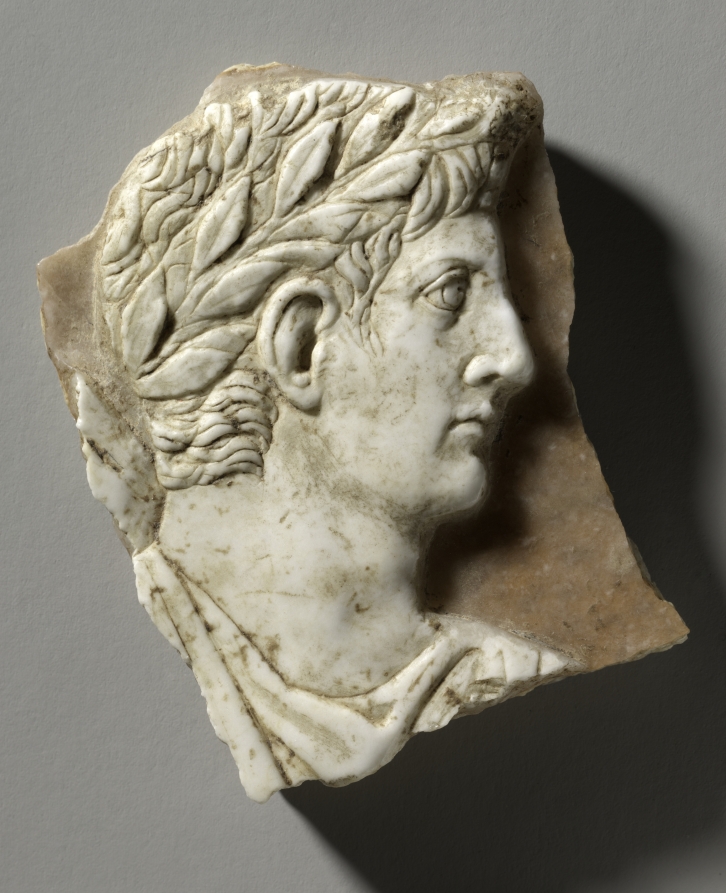
Unknown — "Cameo: Julio-Claudian Imperial Portrait" (30 BCE–54 CE), CC0
Seneca’s gold-dipped warning.
Seneca, in Epistulae Morales ad Lucilium (Letter II), writes: «Non qui parum habet, sed qui plus cupit, pauper est.» — "It is not the man who has too little, but the man who craves more, that is poor." The richest man in Rome wrote this with a straight face — and a warning.
Why wanting is the real poverty.
The Stoics saw desire as an empty vessel — the more you poured in, the more it leaked. Seneca, surrounded by luxury, believed that craving was a bottomless pit. Real wealth wasn't in possessions, but in learning to want less.
The millionaire who envied paupers.
Seneca had marble statues, seaside villas, and enemies everywhere. He watched fortunes rise and vanish in a riot of ambition. His solution was radical: spend your energy not on gaining, but on trimming your wants. The advice stings because it’s still true.
Seneca knew all about luxury, but he saw how greed could hollow out even the owners of palaces.
