
Death in the Curia: Saturninus and the Mob
Blood spattered the Senate walls when senators crushed their own colleague with roof tiles—Roman politics, up close and personal.
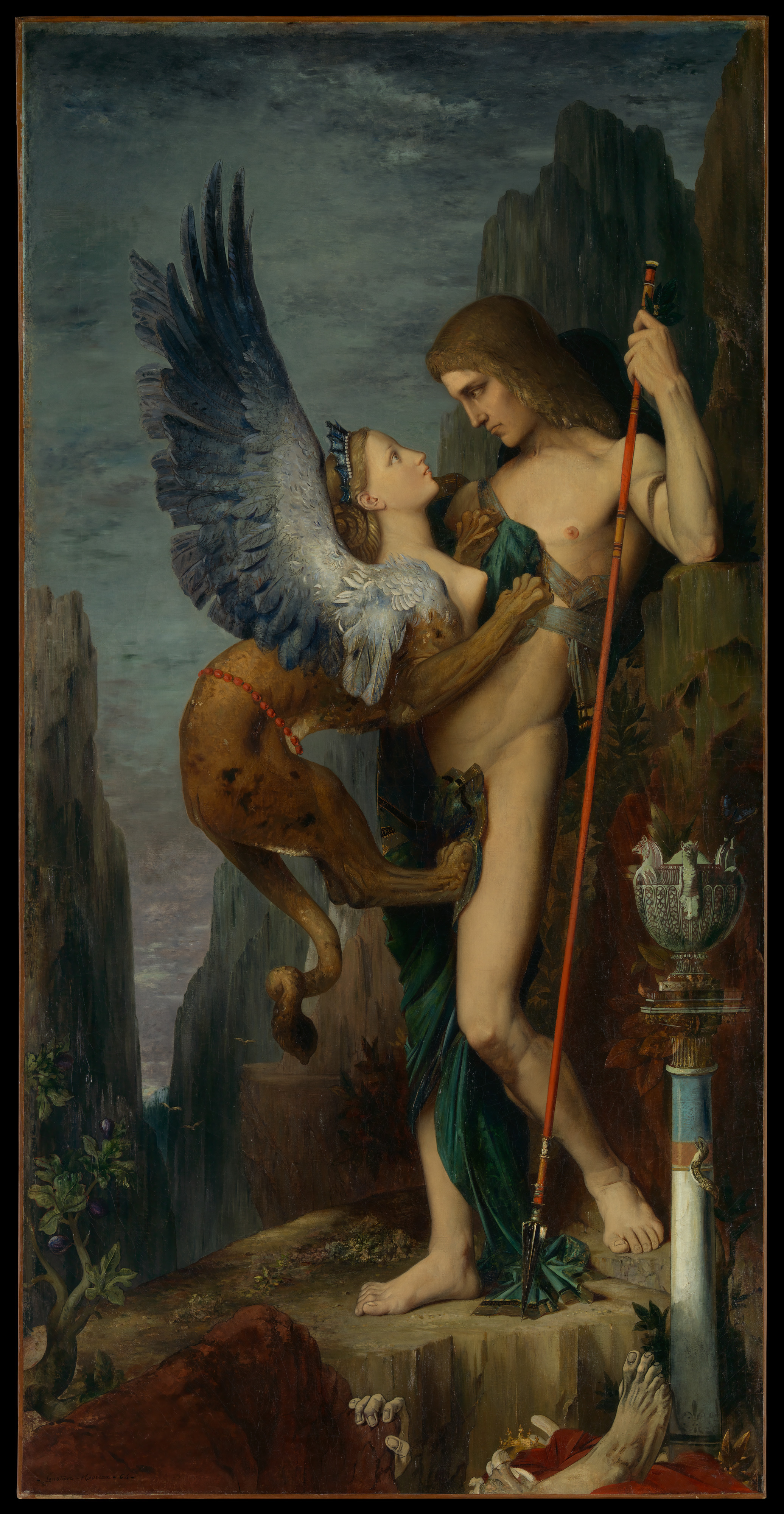
Gustave Moreau — "Oedipus and the Sphinx" (1864), public domain
Murder on the Senate Floor
In 100 BC, Lucius Appuleius Saturninus—populist, troublemaker, lawmaker—barricaded himself inside the Senate with supporters as his enemies swarmed the building. Senators, desperate and furious, tore tiles from the roof and hurled them down.
Mob Rule Replaces Debate
When words and laws collapsed, the old men of the Senate became executioners. Saturninus was beaten and stoned to death right in the Curia. This wasn’t just a brawl. It was a signal: Rome’s political game had new rules, and they were written in blood.
A Precedent for Violence
The body was dragged out. No one was punished. It became easier, after that, for Rome to imagine politics as a matter of survival—not persuasion. The Republic’s cracks became fractures.
Saturninus’ violent end wasn’t an outlier. It set a precedent—when words failed, fists and stones decided Rome’s politics. The Republic would never feel quite safe again.
