
Saturnalia: Rome’s World Upside Down
For one week each winter, masters waited on their slaves—and the city exploded into masked chaos and gift-giving on a scale Rome normally reserved for orgies or riots.
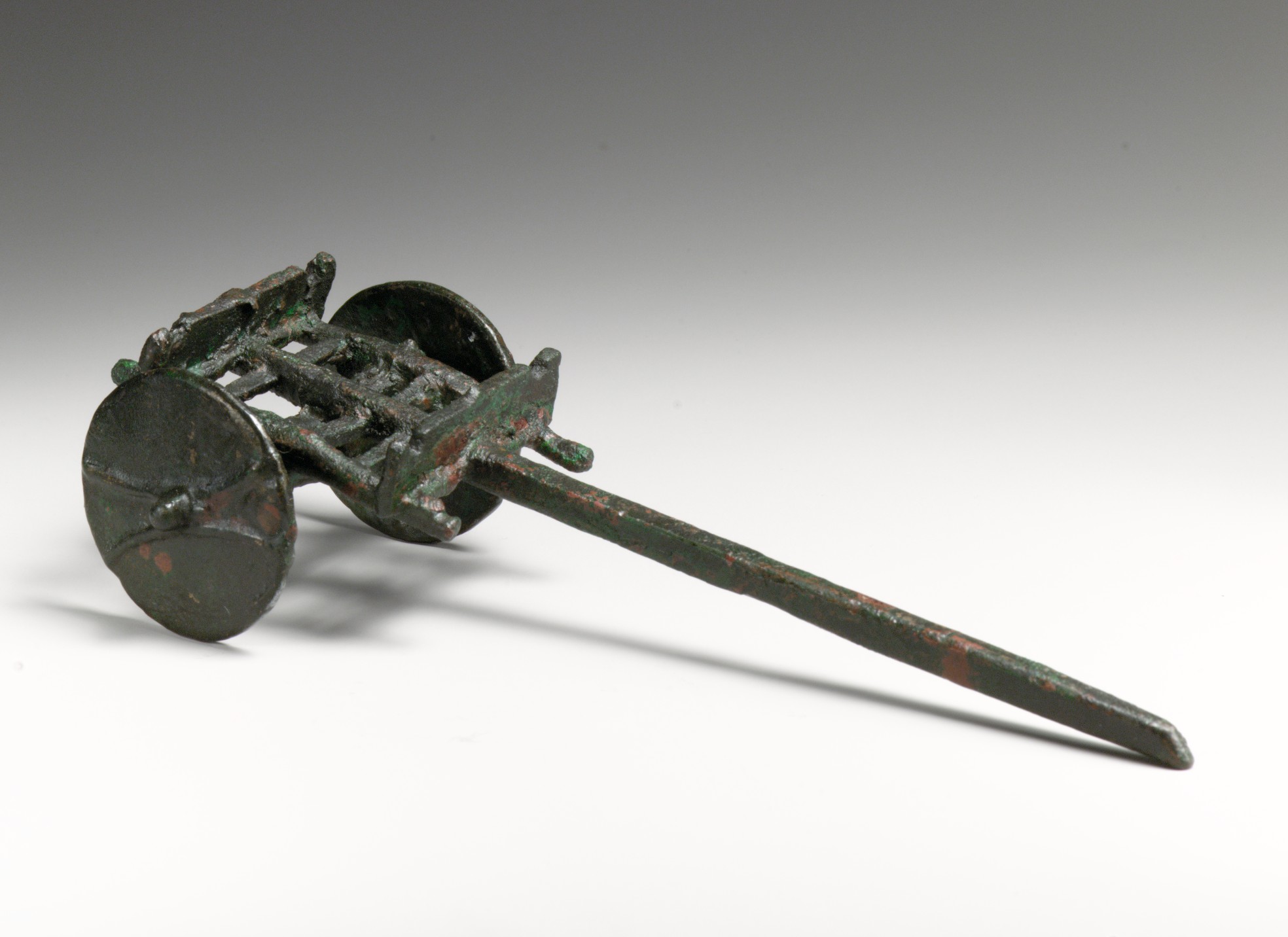
Unknown — "Bronze model of a cart with farmyard group" (2nd century BCE–1st century CE), public domain
The city in carnival.
At Saturnalia’s signal, the Roman calendar stopped—the courts closed, schools emptied, and gambling was suddenly legal. Everyone wore brightly colored caps, exchanged cheap gifts, and the streets rang with the shout: 'Io Saturnalia!'.
Slaves as kings—for a day.
Wealthy families brought their slaves into the dining room, served them at the table, and let them ridicule their masters without fear. Roman poets loved it. The Senate, less so—order teetered on a knife edge.
Madness, then the snap back.
For a few wild days, Rome forgot who was in charge. Then the calendar flipped, the real world returned, and Saturnalia became just another memory—of what Rome dared to imagine, but never allowed to last.
Saturnalia turned Roman society inside out, offering a brief, mad reversal of order—before snapping back to business as usual.
