
Sappho: Fragments of Fire
Out of thousands of lines, only one poem by Sappho survives almost complete.
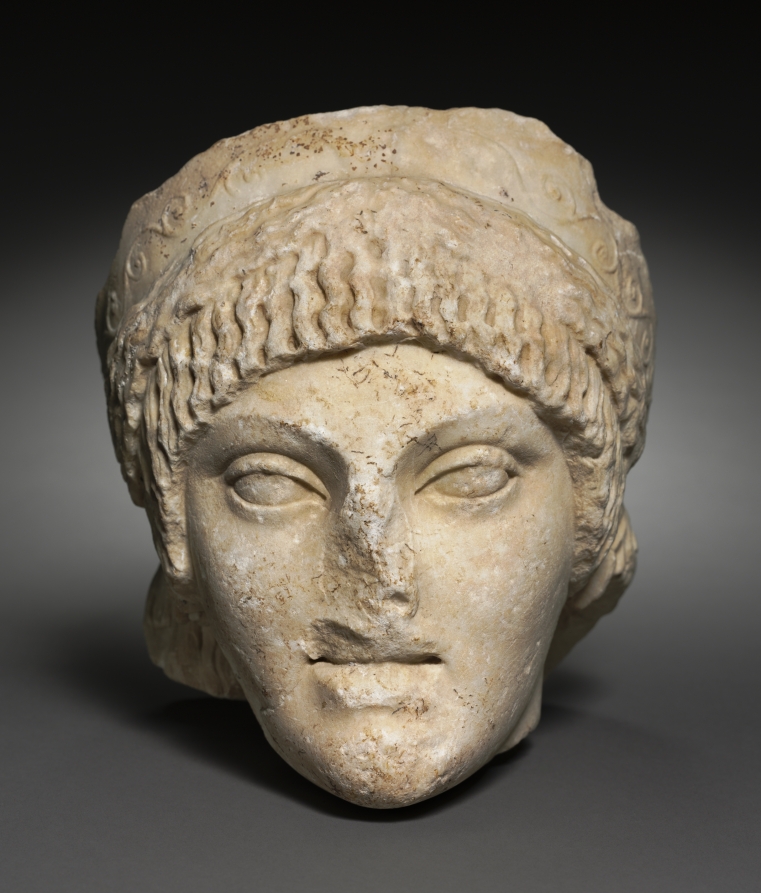
Unknown — "Head of a Young Woman" (25–1 BCE), CC0
Almost All Burned, One Survives
Thousands of Sappho’s verses—gone. Priests and time both hunted her poems. Today, just one piece remains nearly whole, burning with longing for a woman across the room. The rest are ashes and fragments.
A Voice That Wouldn’t Disappear
Sappho sang not for kings or gods, but for a circle of women on Lesbos. Her words are too sharp, too honest for comfort. Later Greeks called her the Tenth Muse, even as her work was quietly censored or lost.
The Power of a Line Surviving Time
A single stanza is enough. Her voice still stings, still whispers secrets the ancient world tried to smother. Sometimes a fragment burns brighter than a thousand pages.
The world tried to erase Sappho, but her voice flickers through the ashes—sharp, intimate, and still dangerous.
