
Sappho’s Banishment from Lesbos
The world’s most famous female poet was exiled from her island—no one agrees on why.
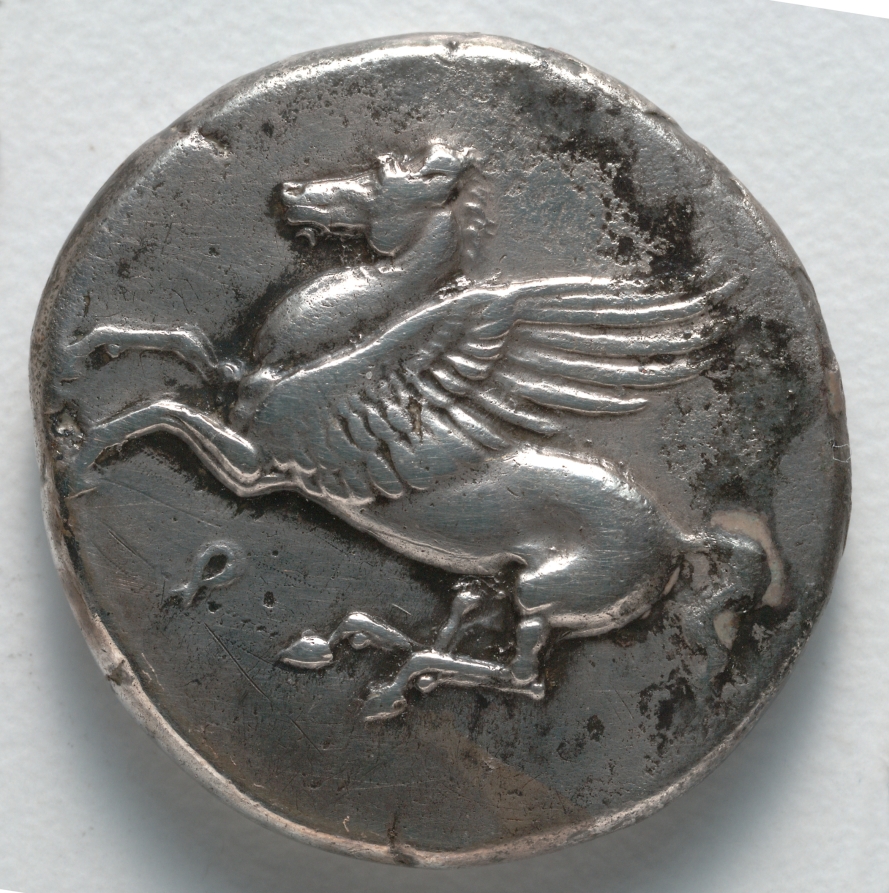
Unknown — "Stater: Pegasos (obverse)" (c. 350–338 BCE), CC0
Sappho cast out.
Somewhere around 600 BC, Sappho—whose verses would echo for millennia—was driven from her home on Lesbos. Ancient writers disagree on why: maybe politics, maybe scandal, maybe family feuds. She crossed the sea to Sicily, leaving behind her daughter, her school, and a life she had shaped with words.
Poetry in exile.
Sappho wrote about longing, loss, and the ache of separation—feelings that ring with the pain of exile. Her poetry is full of names and faces now lost. Only fragments survive, but they’re enough to hint at someone forced to invent herself, and her art, all over again abroad.
What survives shapes what we remember.
Legends sprang up to fill the gaps: jealous rivals, doomed love affairs, political intrigue. In truth, the reason Sappho left is lost. What matters is that her poetry endures, carrying the taste of distance and survival, and giving a voice to lives on the margins.
Sappho, called the 'Tenth Muse' by later admirers, was forced to leave Lesbos under murky circumstances—her banishment shaped her surviving poetry and legend.
