
Roman Women Could Own and Inherit Property
Some Roman women died richer than senators.
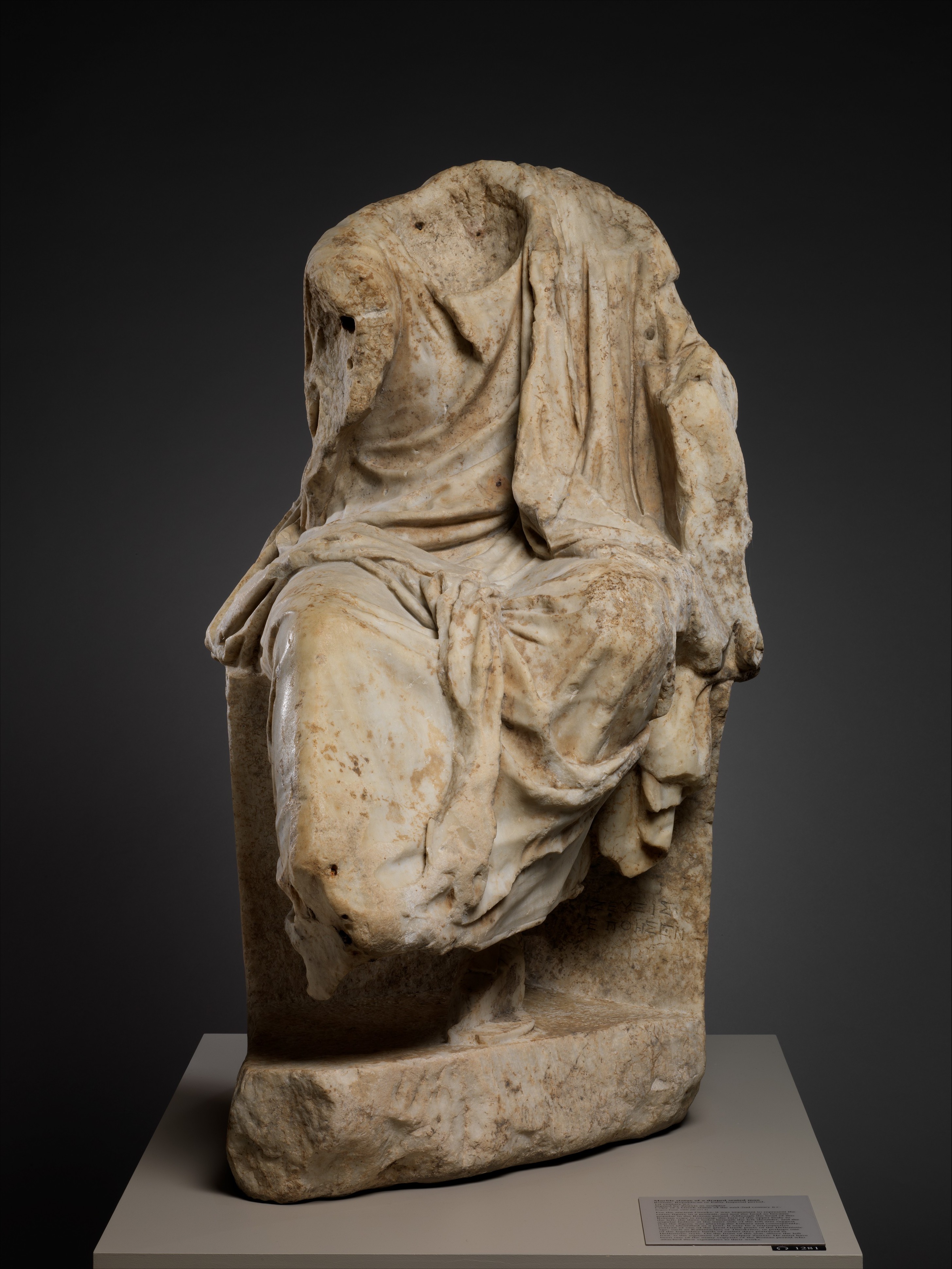
Zeuxis — "Marble statue of a draped seated man" (1st century BCE), public domain
A Roman Matron’s Fortune
Aelia, daughter of Lucius, left an estate worth 250,000 sesterces. Her tomb says so—in proud marble letters. That sum could buy a sizable townhouse in Rome.
Women and Wealth, Legally
Roman women—if freed from their father's legal power (by 'sine manu' marriage or by surviving their fathers)—could own, inherit, and even bequeath property. Legal codes show wealthy women fought court battles, made loans, and bought land.
Despite stereotypes about women’s legal helplessness, Roman law allowed women—especially those freed from paternal control—to own, inherit, and manage significant property. Tomb inscriptions record women who left behind fortunes, and legal texts discuss cases of female landowners. Their financial power was unusual for the ancient world and played a real part in Roman economic life.
