
Roman Clothing Laws: Purple For the Powerful
A senator steps into the forum wearing a stripe of purple as bright as crushed violets. It’s not a fashion statement—it’s the law.
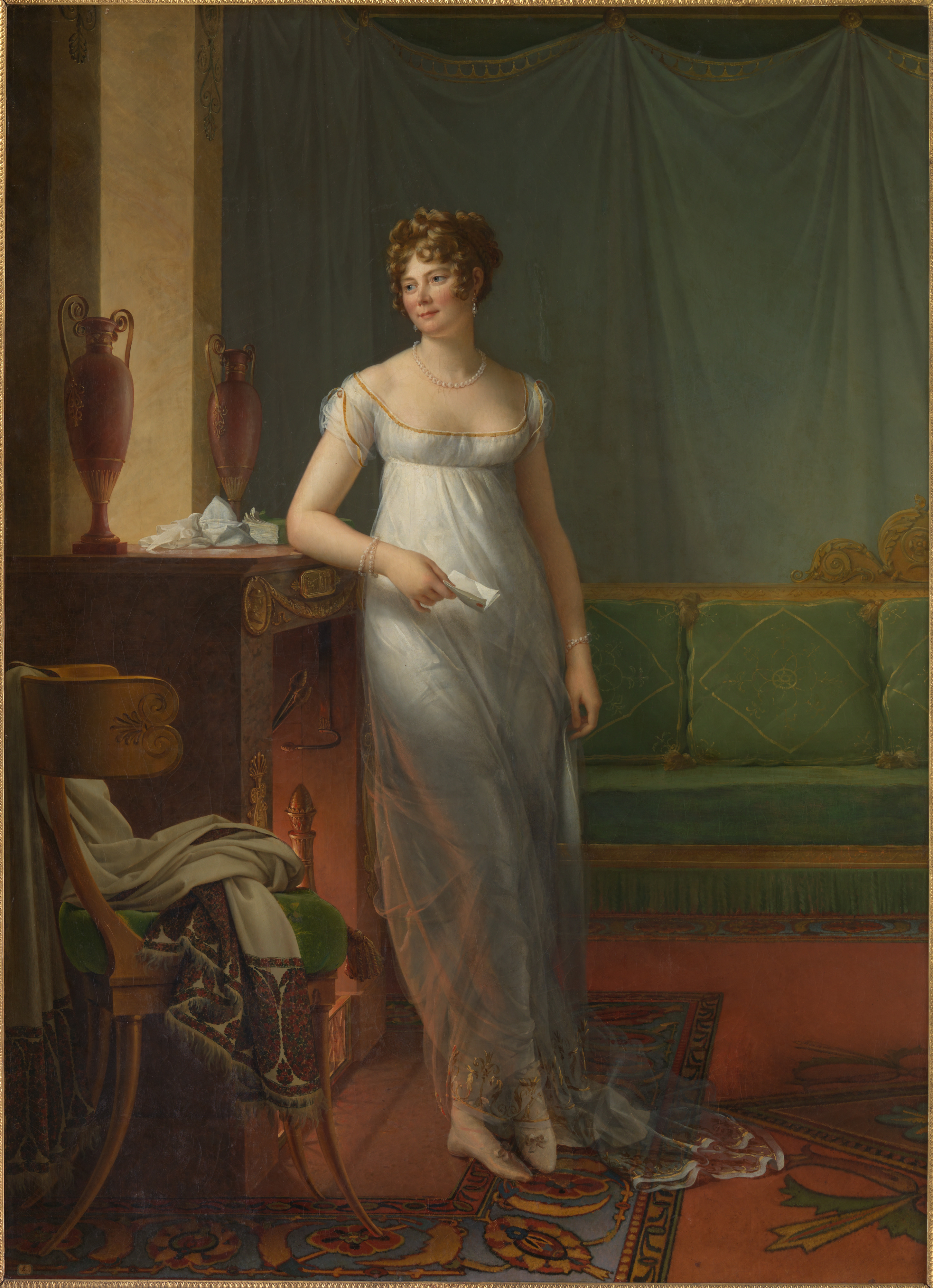
baron François Gérard — "Madame Charles Maurice de Talleyrand Périgord (1761–1835)" (ca. 1804), public domain
Status in a Stripe of Purple
A senator stands tall in the forum, his toga marked by a deep purple stripe. Not just a flourish—this tiny band of color separated Rome’s elite from the crowd.
Dye Fit for an Emperor
Tyrian purple dye came from Mediterranean sea snails. A single ounce meant boiling thousands of shells for days. Roman law reserved the richest shades for the emperor and high officials. Anyone else risking purple was asking for exile—or worse.
When Color Became Power
Even today, a flash of color can send a message. In ancient Rome, the right pigment could make or break a career—or cost you your life.
Only the emperor could wear a robe dyed entirely in Tyrian purple, the world’s most expensive color. Senators got a wide purple stripe on their togas, equestrians just a narrow one. Tyrian purple was made from thousands of crushed sea snails, and anyone caught faking it faced stiff penalties—including death under some emperors. In Rome, color was a literal badge of power.
