
Roman Urine Tax: Not a Joke
You hear it and think 'surely that’s a meme': ancient Romans taxing pee. But the urine tax was real—and surprisingly practical.
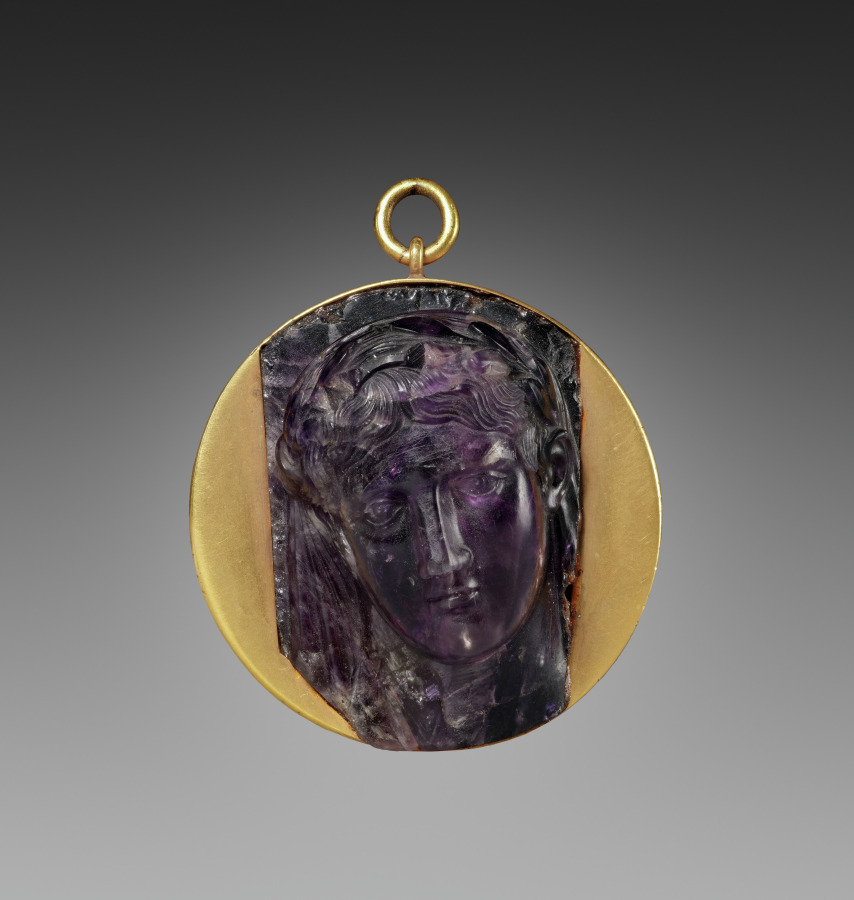
Unknown — "Cameo: Head of a Woman" (1–100 CE), CC0
Romans taxed urine—seriously?
Everyone repeats it: the Roman state actually taxed people for using public toilets or relieving themselves in jars collected by laundries. It’s always told as proof of Roman weirdness or obsession with bodily functions.
The real target: industry, not individuals.
What got taxed wasn't the act of peeing, but the urine collected from public urinals. Roman laundries prized urine for its cleaning power—ammonia broke down grease in dirty togas. Emperor Vespasian simply realized he could skim a profit by taxing those collection points, turning waste into revenue.
Why does this myth stick?
Vespasian joked about it himself, giving us the phrase 'Money does not stink.' The actual tax targeted a thriving business, but a good bathroom story spreads much farther than financial regulation ever will.
Roman laundries collected urine for its ammonia, a key cleaning agent. Emperor Vespasian taxed the collection points, not the act itself. It wasn’t about bodily fluids—it was about industry and profit.
