
Did Romans Wash Clothes With Urine?
You’ve heard it: Romans cleaned their togas by stomping them in vats of pee. Sounds gross? It’s absolutely true—just not for everyone, and not the whole story.
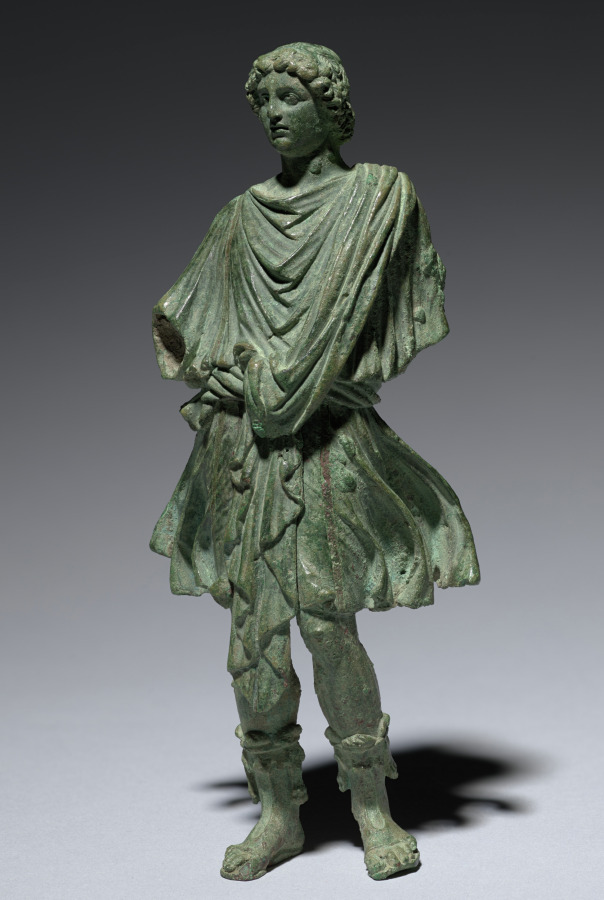
Unknown — "Lar" (1–25 CE), CC0
Pee as detergent? Not for home use.
Ask around: ‘Romans washed their clothes with urine.’ It’s a favorite gross-out fact, served up in documentaries and trivia columns. Most people picture Romans dunking their tunics in the chamber pot, scrubbing away at home.
Enter the fullers: Rome’s laundry pros.
The dirty truth: washing with urine was big business—handled by professional launderers called fullones. Clothes went to public workshops, not home bathtubs. Fullers stomped garments in vats of stale urine, then rinsed, brushed, and bleached them snow-white. Archaeologists in Pompeii have uncovered entire ‘fullonicae’—industrial-scale laundries, vats still in place.
Why does this myth stick?
Urine was so valuable, the emperor even taxed it. But DIY at-home laundering with pee? Not common, and not something upper-class Romans would brag about. The myth lingers because it’s vivid, disgusting, and—unlike most ancient cleaning hacks—actually backed by urban archaeology.
Urine, with its ammonia, was the detergent of choice in Roman fulleries, but it wasn’t an everyday DIY hack. Professional launderers handled the stink, processing the city’s laundry (and public pee) in massive workshops—crucial to keeping rich and poor dressed in white.
