
Roman Urinals Were Wine Barrels
Step into a Roman tavern and you might spot a battered wine barrel in the corner—repurposed as a public urinal.
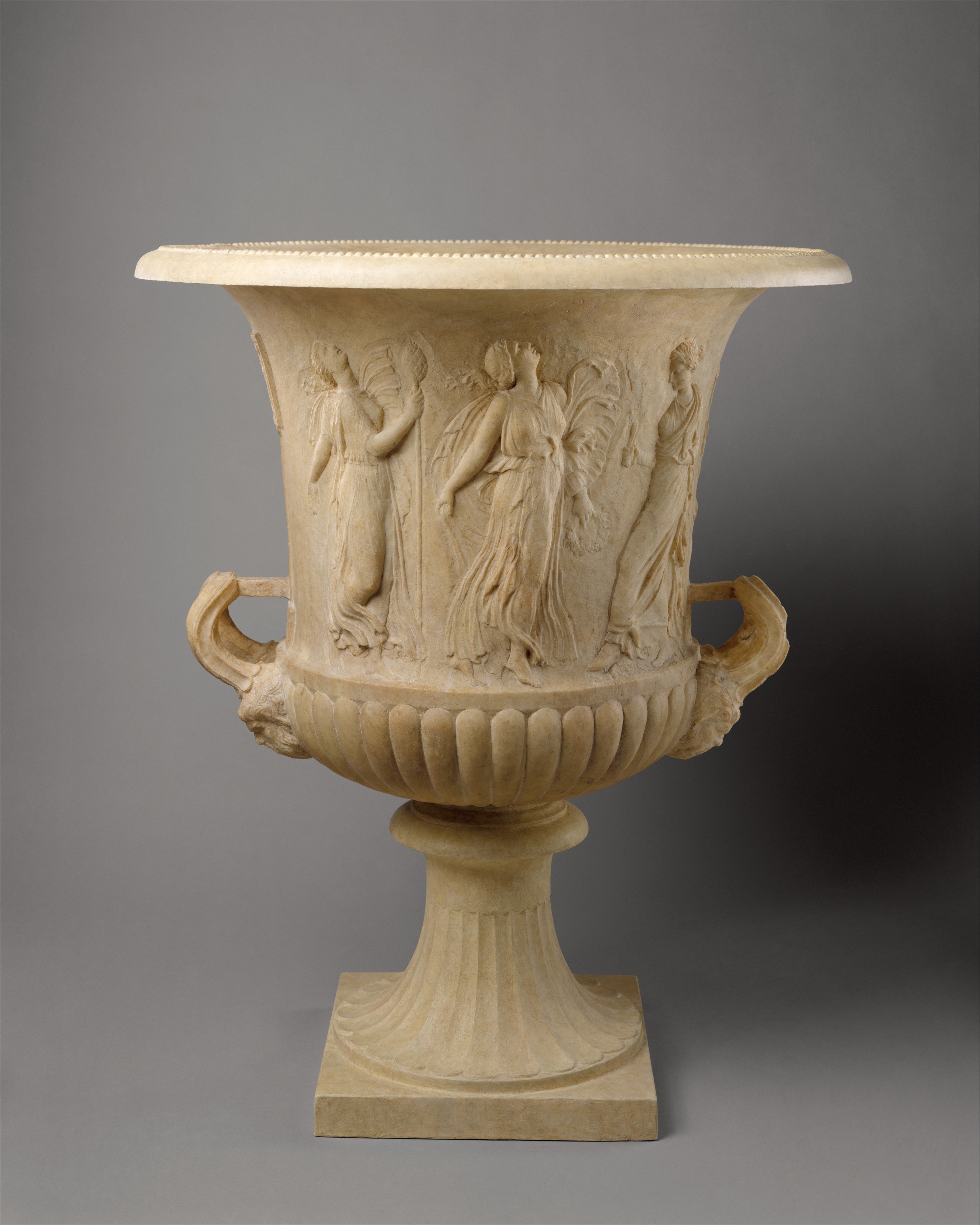
Unknown — "Marble calyx-krater with reliefs of maidens and dancing maenads" (1st century CE), public domain
Urinals Hiding in Wine Barrels
Step into a Roman tavern and you might spot a battered wine barrel in the corner—repurposed as a public urinal. No privacy, just the clink of cups and a sharp, acrid smell. Welcome to a night out in Pompeii.
Waste Was Part of the Laundry Cycle
Archaeologists found that these barrels collected more than just bodily waste. Fullers—professional laundry workers—paid to haul away ammoniac-rich urine for cleaning and bleaching clothes. From tavern to tunic, Roman recycling was taken seriously.
Archaeologists at Pompeii and Herculaneum have found wine storage jars and wooden barrels re-used as urinals in bars and bathhouses. These vessels collected not just urine but valuable ammonia-rich liquid for fullers—laundry workers—down the street. The stench was just part of neighborhood life.
