
Were Roman Togas Always White?
Every Roman movie shows senators and citizens draped in gleaming white togas, as if the whole city did laundry daily.
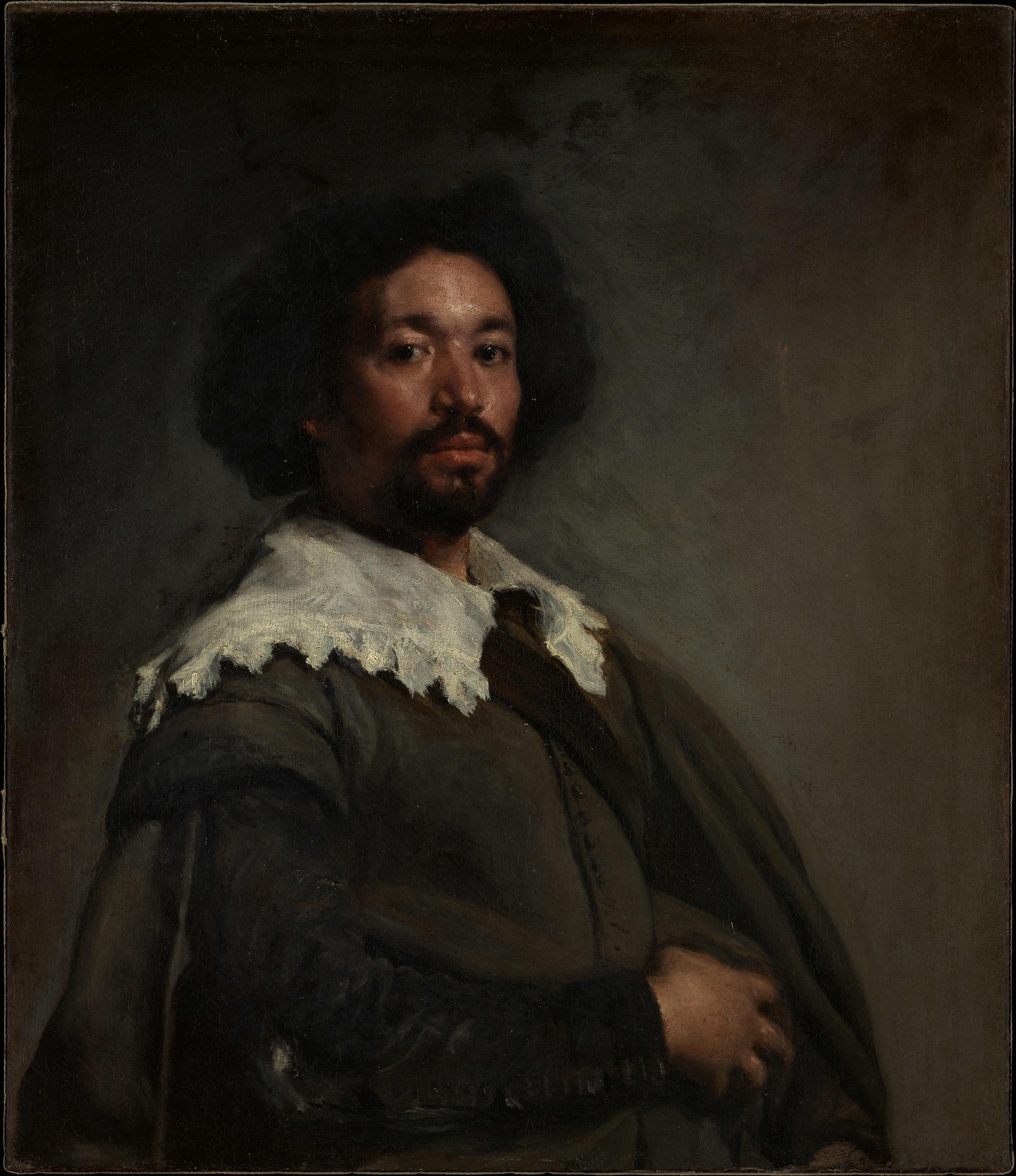
Were Roman Togas Always White?, public domain
Pure white? Not so fast.
Everyone pictures the Roman world draped in blinding white togas, senators and citizens alike glowing under the Italian sun. Hollywood leans into it, and textbooks rarely correct the image. It’s iconic—and dead wrong.
Togas signaled status, not laundry skill.
The classic 'toga pura' was undyed wool, reserved for regular male citizens. Senators flashed a broad purple stripe (toga praetexta), wealthy Romans wore versions with colored borders, and mourners donned dark togas. Triumphant generals paraded in the dazzling purple toga picta—fit for the gods. The rainbow of Roman rank played out in wool, not bleach.
Why does white stick in our heads?
Ancient statues, stripped of their pigments by time, left us with a world of pale marble. Later artists, obsessed with purity and Rome’s imagined virtue, painted the past in white. The real city would have looked closer to a fashion parade than a laundry ad.
Roman togas came in a range of colors and decorations—purple stripes for senators, deep purple for triumphs, even black for mourning. The famous all-white toga was special, not standard.
