
Cato the Younger on Recognition
"I would rather people ask why I have no statue than why I have one." Cato the Younger made humility his armor in a world obsessed with monuments.
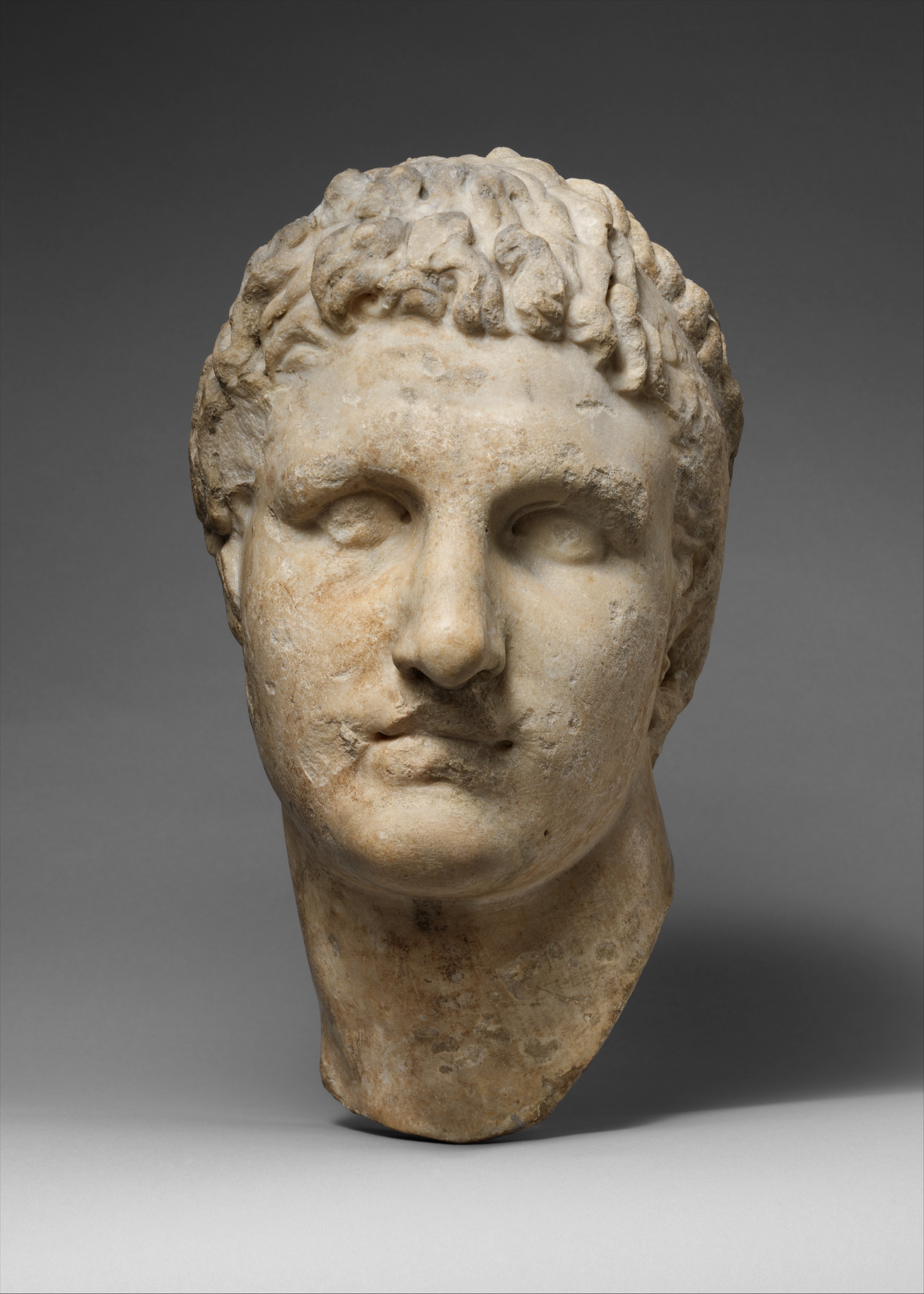
Unknown — "Marble head of a Hellenistic ruler" (1st–2nd century CE), public domain
Statues, fame, and the invisible man.
Plutarch, in his Life of Cato the Younger, records: «Αἱρετώτερον βούλομαι ἐμοὶ ζητεῖν, διὰ τί μου μὴ ἔστησαν ἄγαλμα, ἢ διὰ τί ἔστησαν.» — "I would much rather have men ask why I have no statue than why I have one." In Rome, where everyone craved public honor, Cato walked the other way.
Why Cato rejected the spotlight.
Cato watched his peers buy praise and trade favors for monuments. He believed real virtue didn’t need a PR team — if you’re good, let people wonder why you’re not decorated. Better that than be remembered for bribing the sculptor.
Cato, last of the Stoics.
Cato the Younger resisted Caesar to the bitter end, even dying by suicide rather than submit to tyranny. His refusal to chase honors was his protest: let your actions stand, not your statues.
Cato’s resistance was quiet but relentless. In an age when everyone wanted medals and marble, he ruled himself. He never compromised — not for glory, not for power. His legacy was carved into character, not stone.
