
On This Day: The Summer Farming Lull
First days of July: fields outside Rome shimmer with heat. Sickles rest. Harvesters find shade—the city pauses in the growing quiet.
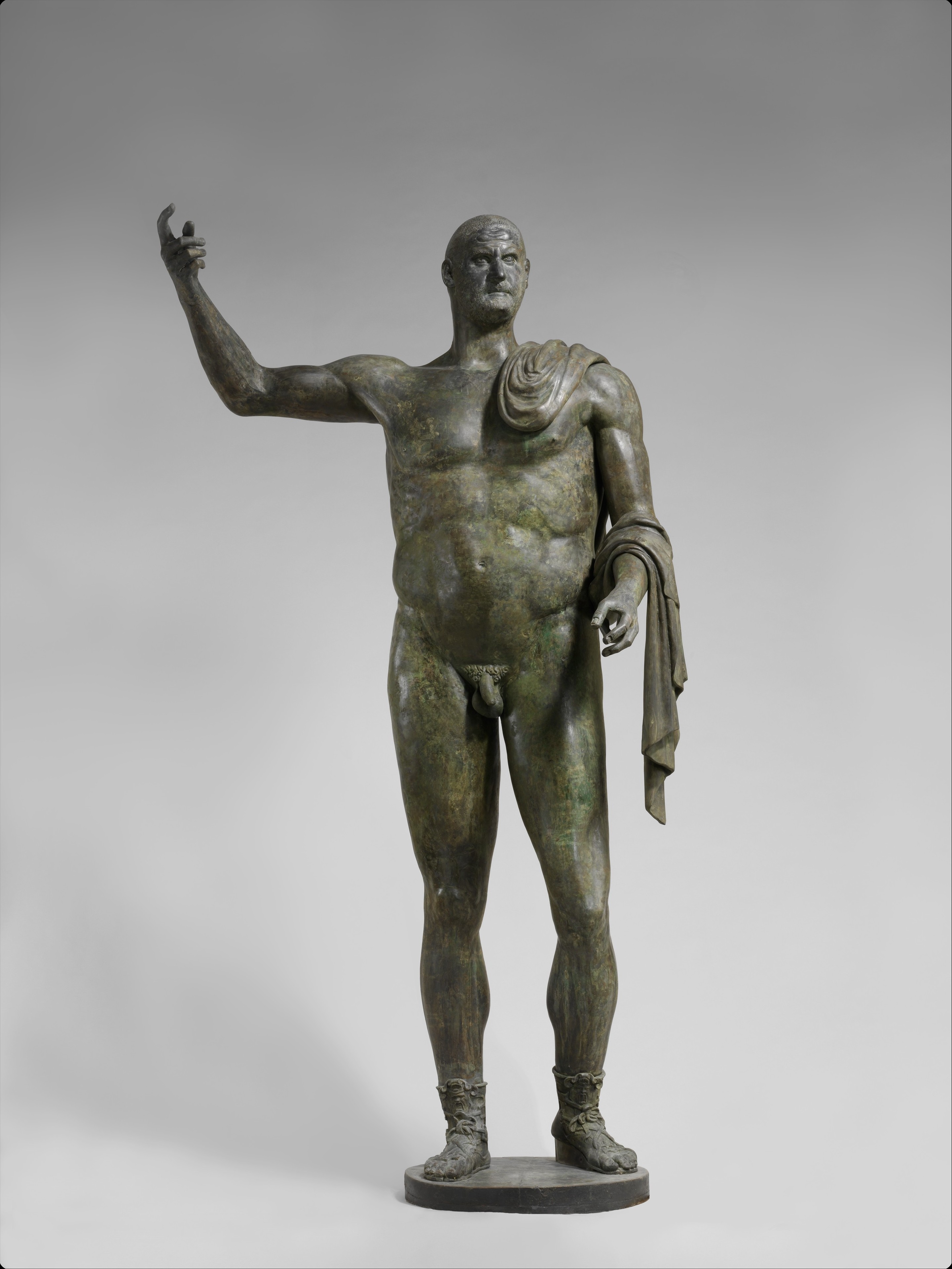
Unknown — "Bronze statue of the emperor Trebonianus Gallus" (251–253 CE), public domain
The land sweats under the sun
By early July, Roman farmers had sheared the wheat. Barley stubble prickled the fields, and the olive groves stood motionless in the haze. Work slowed—the next big push, the grape harvest, was still weeks away.
When labor paused, life shifted
For many, these hot, heavy days meant time to mend tools, pray for rain, or gather by the shade of a fig tree with neighbors. The lull was a survival tactic—the body’s way to endure the Mediterranean glare until the next round of work.
Early July brought a lull in Rome’s agricultural calendar—between the wheat harvest and the grape vintage, workers braced for the long, dry push of summer.
