
Were Roman Slaves Chained to Oars?
Every movie lines Roman galleys with slaves, chained wrist and ankle, rowing under a master's whip. Sweat, blood, and iron—the underbelly of empire.
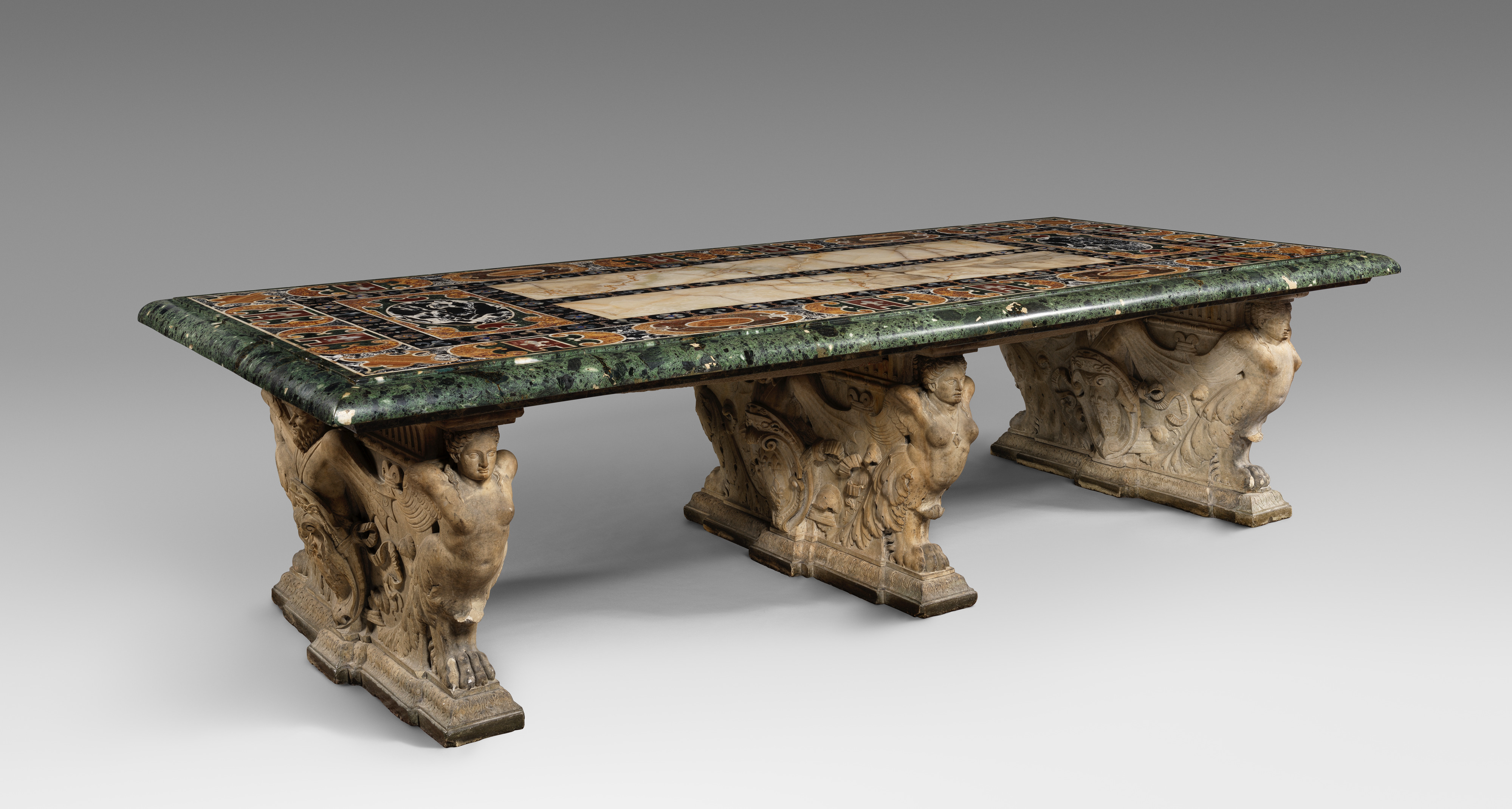
Jacopo [Giacomo] Barozzi da Vignola — "The Farnese Table" (ca. 1565–73), public domain
The chained galley slave myth.
You picture sweating, grimy slaves chained to the oars, whipped relentlessly until they collapse. Hollywood, comic books, even some old textbooks repeat it—a vision of ancient brutality and suffering below deck. But step onto a real Roman warship and the chains are missing.
Free men, not iron and whips.
Ancient sources and archaeology show most Roman rowers were free men—citizens, volunteers, and even conscripted sailors. Some prisoners rowed as punishment, but mass chaining was rare, inefficient, and risky in battle. The Roman navy wanted skilled hands, not shackled bodies.
How did this myth take hold?
It grew from Renaissance paintings, pulp novels, and later movies—like Ben-Hur—who needed a visual shorthand for suffering. Roman galleys were harsh, but the endless chains and whips are mostly a modern invention, not an everyday reality.
Most Roman rowers were free men or paid laborers, not chained slaves. The reality was far stranger—a mix of citizen sailors, volunteers, and some prisoners, all working alongside each other in the belly of a warship.
