
Who Built Rome's Wonders?
Walk through Rome and it's easy to picture thousands of slaves hauling stones for the Colosseum, the aqueducts, every triumphal arch. But the real builders wore tunics and earned a daily wage.
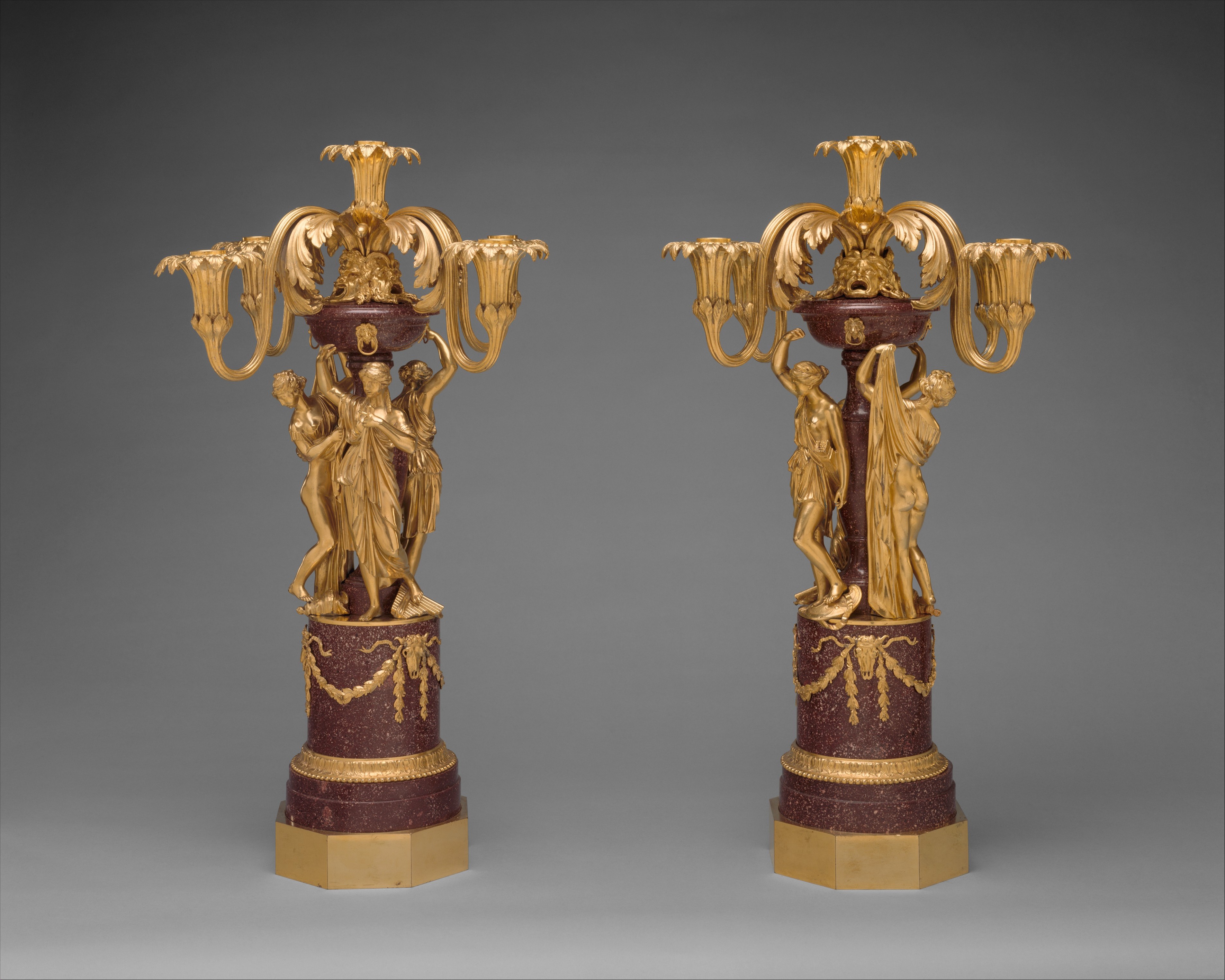
Luigi Valadier — "Pair of five-light candelabra" (1774), public domain
The myth of slave-built Rome.
Every blockbuster and textbook shows it: endless rows of chained slaves, sweating under whips as they build Rome’s wonders. It feels obvious—how else could ancient monuments rise so fast and so grand? But that’s not what the evidence says.
Paid hands and expert minds.
Archaeological records and ancient contracts show the real engine was free labor. Rome’s biggest projects employed skilled artisans, engineers, and thousands of laborers who signed up for the job—and got paid in sestertii. Prisoners and slaves did menial work, but the backbone was organized, professional crews who left their names chiseled into stone.
Blame Hollywood (and ancient propaganda).
The idea of 'slave-built Rome' owes more to modern movies and select ancient writers who wanted to brag about power. The reality is messier—and more impressive. Rome’s true glory was its ability to organize, pay, and manage massive teams of experts.
Rome's great projects relied on skilled paid labor—engineers, craftsmen, and specialized freemen hired for their expertise. Massive public works, from aqueducts to temples, were complex enterprises, not just brute force.
