
Roman Slavery: Not One Story
Roman slaves didn’t all live chained in fields—or die in gladiator arenas. Their lives were far more varied, and sometimes shockingly privileged.
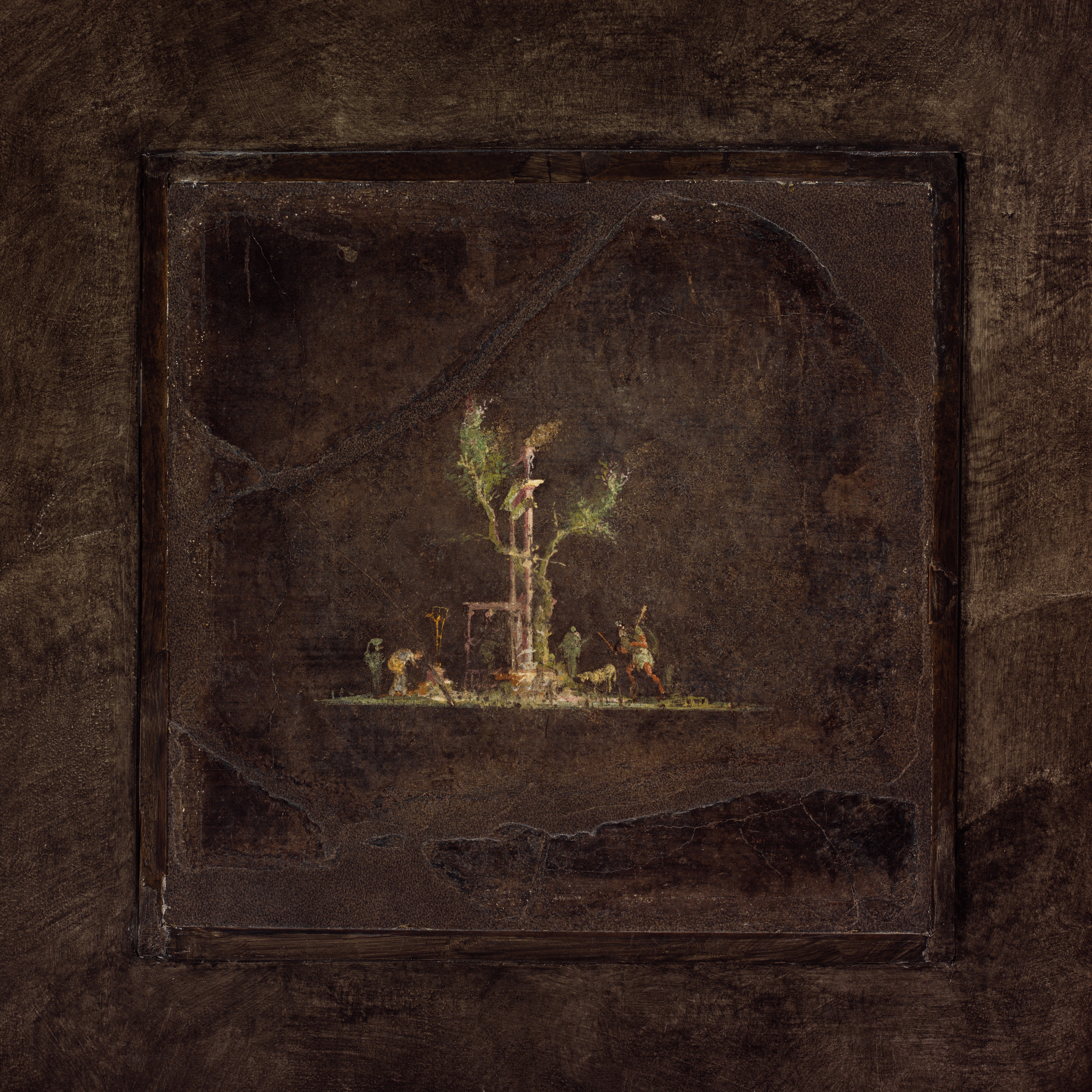
Unknown — "Wall painting on black ground: landscape, from the imperial villa at Boscotrecase" (last decade of the 1st century BCE), public domain
Not all chains and whips.
You picture Roman slaves—shackled, broken, sweating in fields or bleeding in the arena. Hollywood and old textbooks love this image. But the reality is far less simple—and sometimes even stranger.
From mines to mansions.
Roman slaves could be forced into brutal labor in mines, but others managed entire households, tutored senators' sons, or even ran businesses. Literary sources mention slave doctors who treated their masters, and some house slaves were trusted with family secrets and finances. Archaeology shows rich freedmen rising from slavery to wealth—a fate that no American slavery system allowed.
A myth born of modern horror.
Our image of ancient slavery is shaped by modern experiences of racial slavery, projecting centuries of horror backward. But the Roman system was about status, not skin color—wide, complex, and full of contradiction.
Roman slaves could be doctors, accountants, even teachers. Some grew rich enough to buy freedom or own property—while others toiled in darkness. The real story is a tangle of class, skill, and luck.
