
Roman Skin-Lightening: Chalk, Lead, and Fashion
In ancient Rome, a fashionable woman’s face might glow white—thanks to crushed lead and chalk rubbed right into her skin.
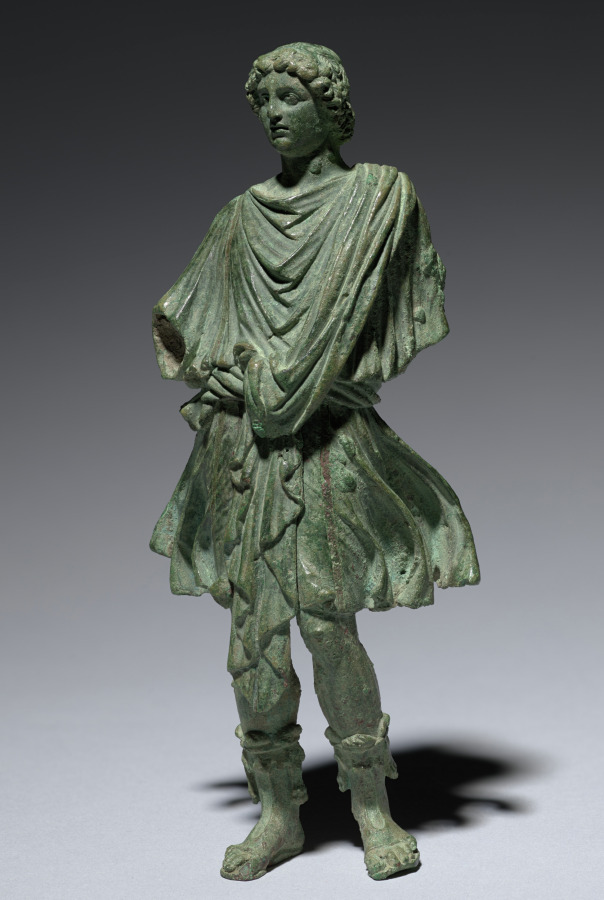
Unknown — "Lar" (1–25 CE), CC0
Pale Faces, Deadly Ingredients
In ancient Rome, a fashionable woman’s face might glow white—thanks to crushed lead and chalk rubbed right into her skin.
Beauty That Bites Back
Archaeologists have found beauty palettes and mixing bowls stained with white residue in Roman houses. Recipes in Pliny the Elder and Ovid describe whitening the face using cerussa (white lead), chalk, and vinegar—layered over red rouge or even gold dust. The look: flawless, ghost-pale, and unmistakably elite.
The Price of Style
Lead in makeup damaged skin, hair, and more—though Romans never linked beauty to poison. For a Roman noble, the risk was worth the pallor.
Archaeologists have found beauty palettes and mixing bowls stained with white residue in Roman houses. Recipes in Pliny the Elder and Ovid describe whitening the face using cerussa (white lead), chalk, and vinegar—sometimes layered over red rouge or gold dust. The look: flawless, ghost-pale, and unmistakably elite. The health risk? They had no idea, but lead face masks were the height of style.
