
Did All Romans Use Sewers?
You picture every Roman city with indoor plumbing—everyone flushes, clean streets, modern sewers underfoot. The myth of civilized Rome is everywhere.
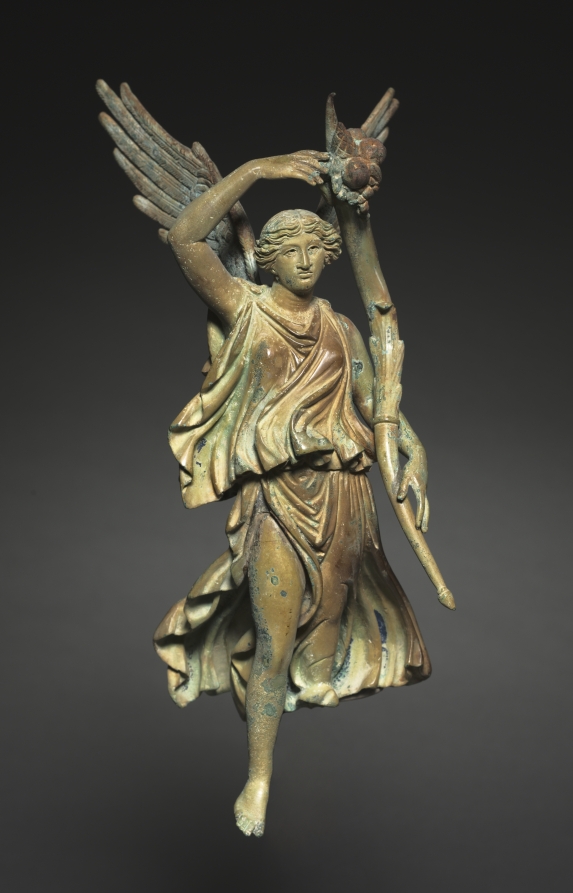
Unknown — "Victory with Cornucopia (Chariot Attachment)" (40–68 CE), CC0
The myth of Rome’s flushing city.
You’ve heard it: ancient Rome had running water, elegant bathhouses, and underground sewers—public health centuries ahead of its time. Movies show marble toilets and clean streets, every home connected to the Cloaca Maxima. It’s a tempting fantasy.
Most Romans used the bucket.
The truth is less glamorous. Rome’s famous sewers mostly drained rainwater and street runoff—not household waste. Only the richest houses had direct sewer connections. Everyone else used chamber pots, emptied them in cesspits—or, often, straight out the window. Public latrines were communal, with no partitions, and flushed by hand.
How did this myth start?
Nineteenth-century archaeologists fell in love with Roman engineering, celebrating sewer remains as proof of ancient progress. Guidebooks and textbooks followed suit, glossing over the buckets and the smell. The modern city beneath Rome has cleaner lines—but ancient life was far less sanitary.
Rome’s great sewers served a fraction of the population. Most Romans relied on cesspits, chamber pots, and public latrines—flushed with buckets, not running water.
