
Was the Roman Senate All-Powerful Law?
We imagine the Roman Senate as the ultimate power—the law, the voice of Rome, immortal and sacred.
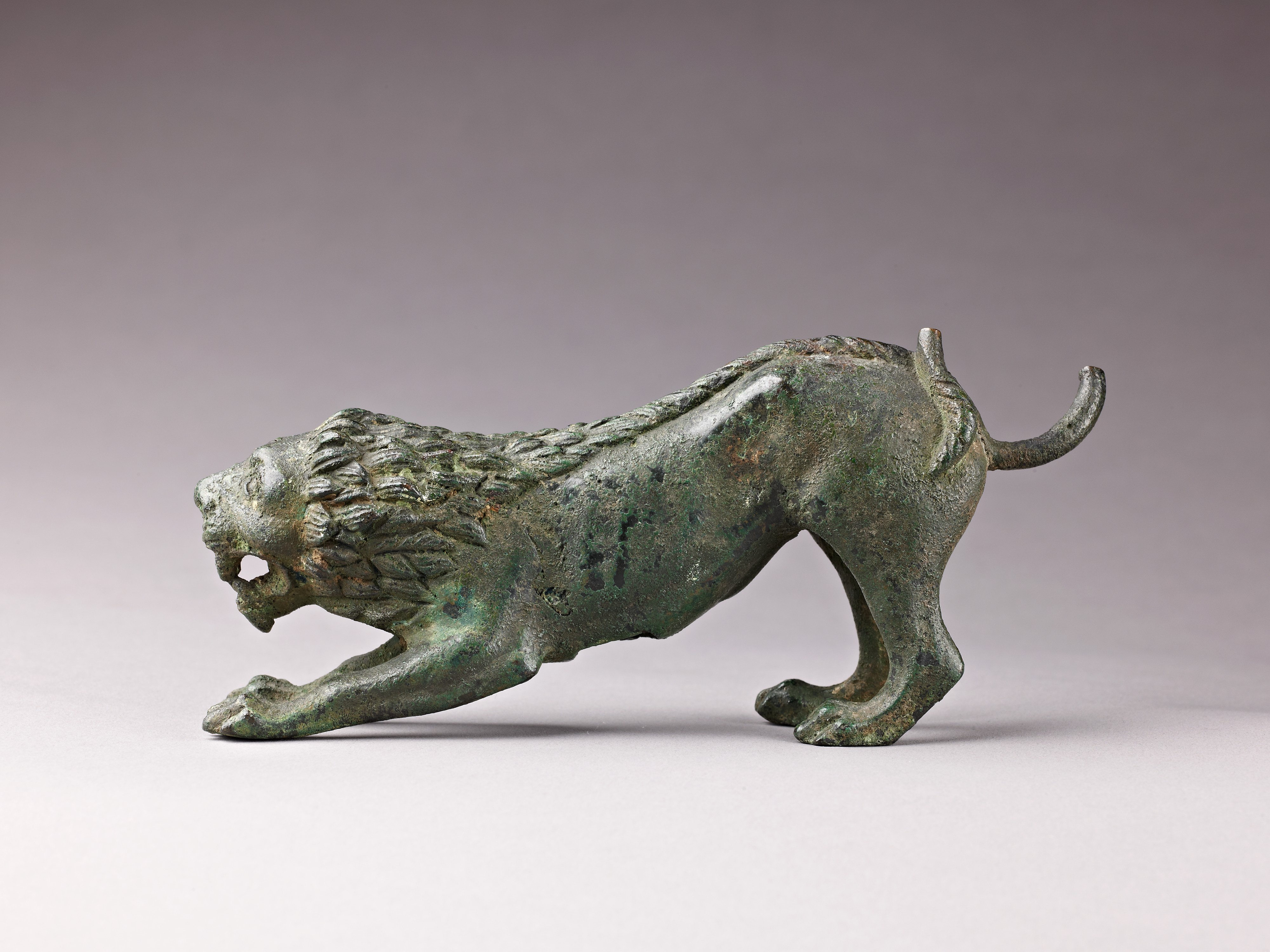
Unknown — "Crouching Lion" (ca. 5th–3rd century BCE), public domain
The Senate as Rome’s throne of power?
Every documentary and costume drama puts the Roman Senate at the center—the final word on policy, war, and peace. Senators sit in their marble hall, deciding the fate of the world. But the Senate’s power, outside the movies, was full of loopholes.
Senate decrees weren’t the law.
In Republican Rome, the Senate’s 'senatus consulta' were technically just advice to the magistrates. Laws came from the popular assemblies—ordinary citizens voting in huge open-air meetings. Later, emperors kept the Senate as a showpiece, but ran the empire by decree. Real law was written somewhere else.
How did the myth grow?
Romans themselves encouraged the illusion, and later politicians from Renaissance Italy to the United States painted the Senate as democracy’s birthplace. In reality, it was more a club than a court.
The Senate’s decisions were technically advisory—real power lay with the popular assemblies, magistrates, and, later, the emperors. The illusion of Senate supremacy is a mix of Roman propaganda and later political nostalgia.
