
The Roman Salute Myth
You picture Roman crowds thrusting out an arm in a stiff salute—straight from Hollywood epics. But the so-called 'Roman salute' is pure invention.
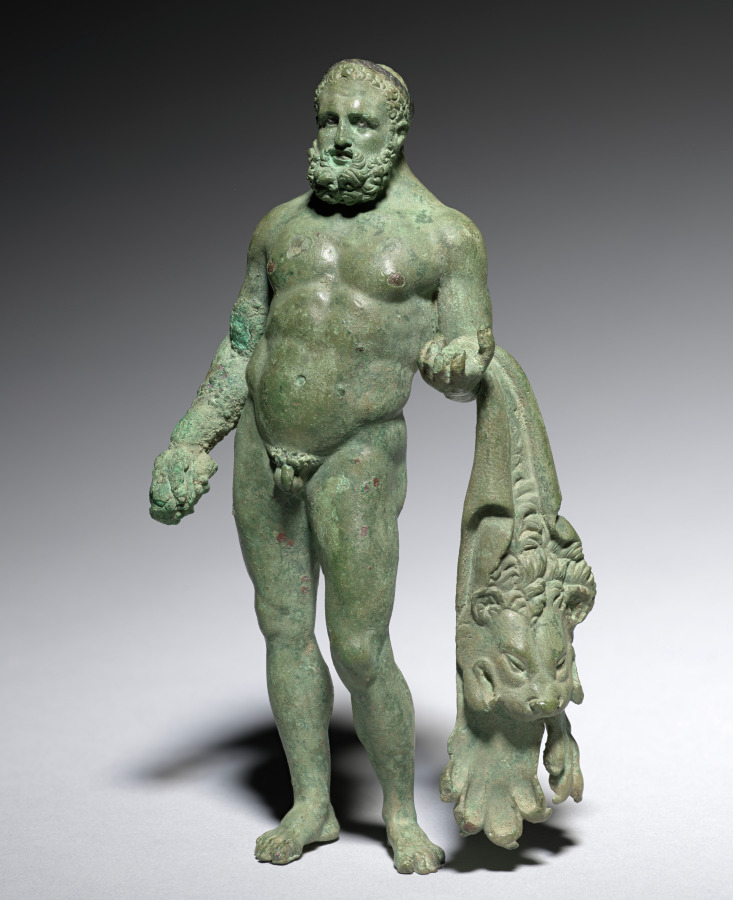
Unknown — "Hercules" (c. 30 BCE–20 CE), CC0
The iconic Roman salute?
Every sword-and-sandal movie shows Romans greeting emperors with an outstretched arm, palm down. Crowds, senators, soldiers—everyone's arm snapped forward. It looks ancient, but it's completely missing from Roman art or writing.
Zero ancient evidence.
Nothing in surviving Roman mosaics, statues, or texts shows this gesture. The 'Roman salute' first appears in 19th-century paintings and then in early 20th-century films. Mussolini’s Fascists later adopted it, sealing the myth.
How did it take hold?
Mass-market movies like 'Ben-Hur' and 'Spartacus' cemented the gesture in pop culture. But the gesture’s supposed antiquity was borrowed back from painting, not Roman practice. Sometimes what feels ancient is really just cinematic shorthand.
No Roman statue, fresco, or text shows the iconic arm-thrust salute. Its roots are modern, not ancient—and its real origins are stranger than the myth.
