
Roman Roads: Not Always Laser-Straight
You picture Roman roads: arrow-straight highways cutting across Europe, never bending, never swerving. The myth: Romans built with rulers and nothing else.
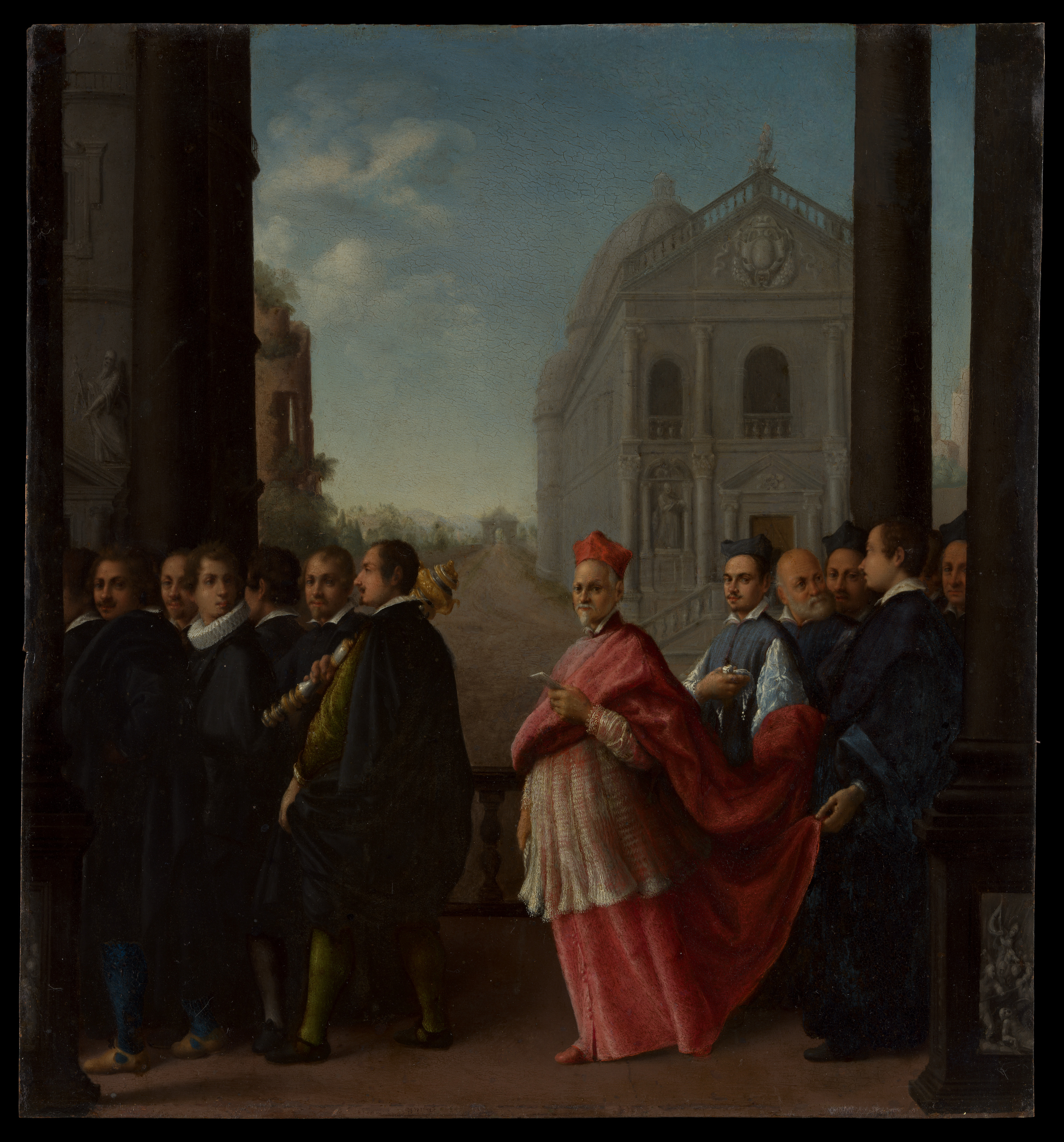
Ottavio Leoni (Il Padovano) — "A Cardinal's Procession" (1621), public domain
Myth: All Roman roads ran straight.
Imagine the Appian Way—mile after mile, unwavering, conquering the landscape. Hollywood, school textbooks, even tourist signs repeat the legend: Roman roads never flinched, always straight, imposing order on the wild.
Roman roads took detours—sometimes wild ones.
Roman surveyors loved a good straight stretch, but they swerved for limestone ridges, rivers, and sacred ground. The Appian Way around Terracina cut a massive detour through the cliffs. Other roads in Spain and Britain twisted for days to avoid costly tunnels or angry landowners. Archaeologists map bends and doglegs all over the empire.
Why the myth stuck.
The myth of the straight Roman road comes from writers like Tacitus and the ruins themselves—impressive long stretches survive. But most roads zigzagged when nature or local politics demanded. The legend is just neater than reality.
While Roman engineers valued straight lines, they bent the rules for mountains, valleys, and local politics—sometimes in dramatic zigzags. Archaeological surveys reveal detours, sly curves, and even roundabouts in the ancient road network.
