
Romans Had Slaves Trained as Poison Tasters
At a dinner in Nero’s palace, one taste could mean death. So a silent slave took the first bite.
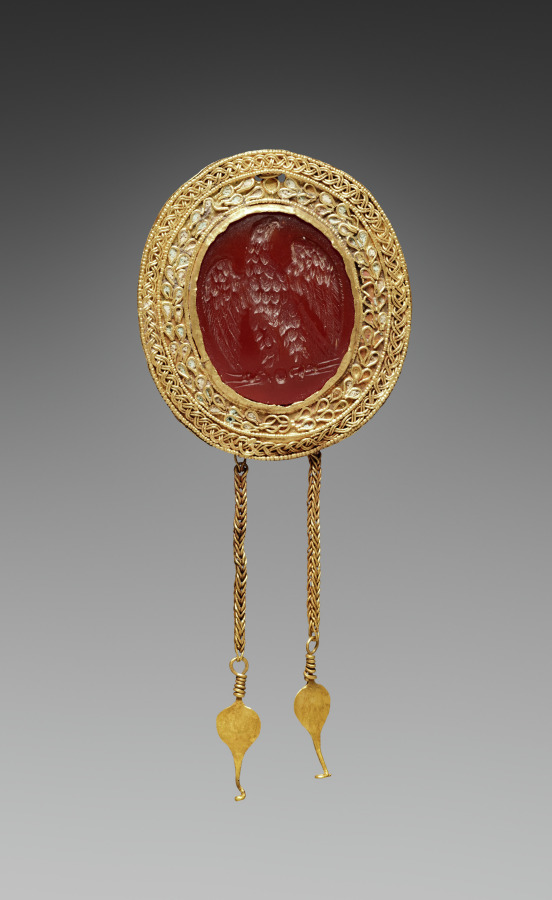
Unknown — "Intaglio: Imperial Eagle" (c. 1–25 CE), CC0
Taste or Die: Rome’s Poison Taster Slaves
At a lavish Roman feast, there’s someone you won’t see in the marble mosaics. A praegustator—an enslaved food taster—takes the first bite. Their life is the shield between a senator and a poisoned cup.
Deadly Precaution: When Paranoia Met Protocol
Elite Romans lived in dread of poisonings. Slaves were trained to sample food and wine before it touched the master’s lips. Literature and trace evidence back it up: tested dishes, and sometimes, sudden deaths. The system wasn’t foolproof—but it was terrifyingly common.
Trust Was Tasted, Not Given
In a city of plots and palace intrigue, trust was as fragile as a clay cup. The cost of safety? Someone else’s life, risked daily at the dining table.
Roman elites lived in constant fear of poison. Wealthy families kept special slaves, called praegustatores, whose only job was to test every dish and cup before it reached the master’s table. If the slave dropped dead, the lord knew not to eat. Archaeological finds in Pompeii and literary sources like Suetonius confirm the role was deadly real.
