
Silver Cups as Poison Detectors
In wealthy Roman homes, guests eyed their drinking cups closely—not just for style, but for survival.
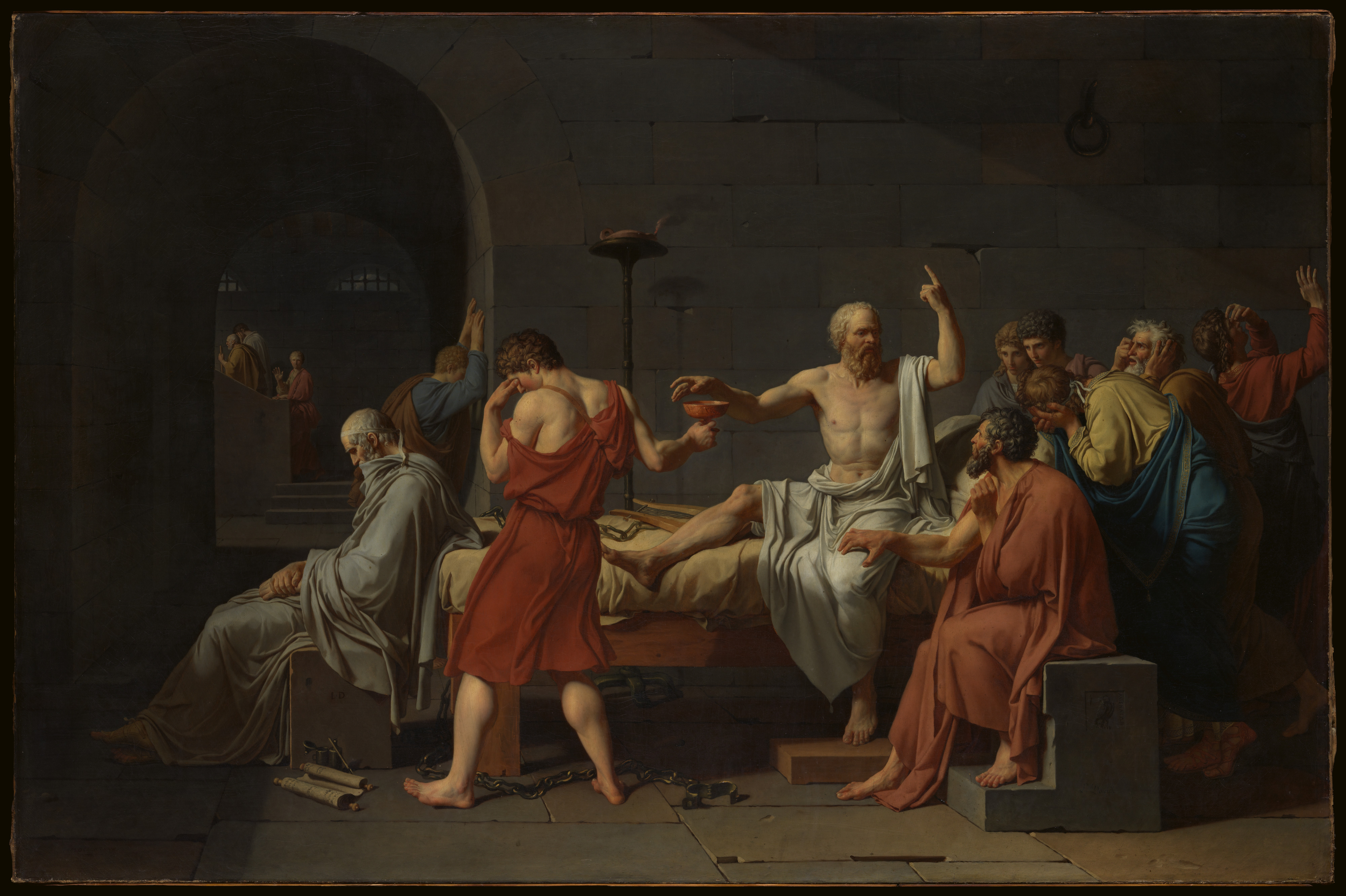
Jacques Louis David — "The Death of Socrates" (1787), public domain
Dinnerware Could Save Your Life
In wealthy Roman homes, guests eyed their drinking cups closely—not just for style, but for survival. Poison was a real fear, and no one wanted their last sip to be a deadly one.
Silver Cups as Ancient Poison Detectors
Roman elites believed silver cups could reveal poison. Pliny the Elder describes how the metal would change color or fizz if venom was present. Archaeological finds show fine silverware at elite Roman banquets—a mark of status, but also a supposed safeguard.
Roman elites believed that a real silver cup could reveal poison—by changing color, fizzing, or tarnishing on contact. Archaeological finds show lavish tableware, and Pliny the Elder records the belief that silver or stone cups 'sweat' if venom is poured inside. The science is sketchy, but the anxiety was real: dinner at a senator’s house was part feast, part chemistry experiment.
