
On This Day: The Roman Nundinae—Market and Memory
July 8: The ninth day—nundinae—hits the Roman calendar. From city to countryside, every ninth day, markets pulse with noise, news, and gossip.
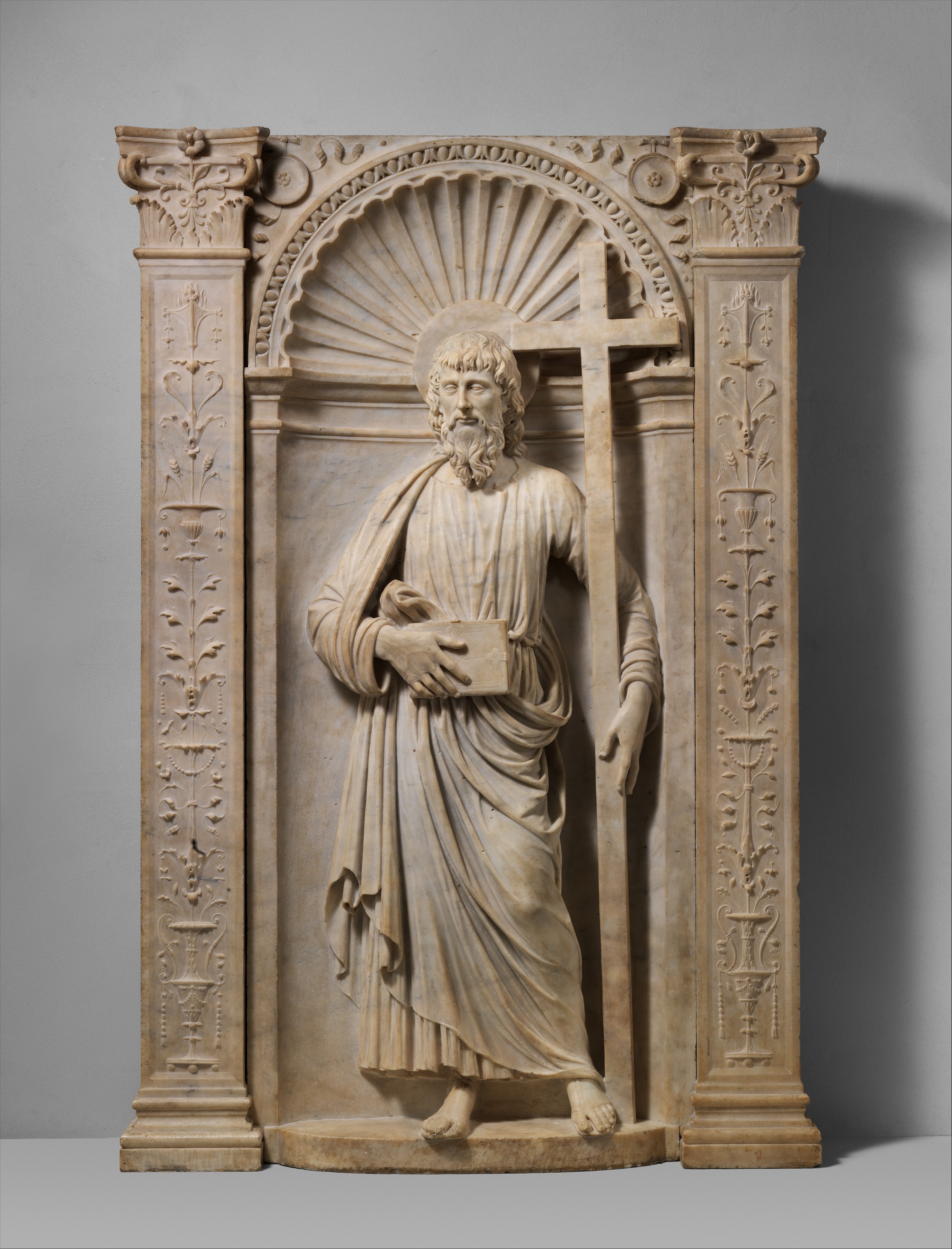
Andrea Bregno — "Saint Andrew" (1491), public domain
Rome’s market day—nundinae returns.
Every ninth day, Romans flowed into the Forum and local markets, arms aching with goods and ears pricked for gossip. The nundinae wasn’t just for buying lentils—it was when debts were settled, legal cases heard in rural towns, and distant neighbors became news carriers.
A day that shaped memory and rhythm.
Farmers tracked the nundinae as carefully as the moon. For the rural majority, it was a lifeline—a calendar shaped by commerce, not gods. Roman children even counted their ages in nundinae, not weeks. The cycle was relentless and reassuring, the city’s quiet metronome.
The nundinae wasn’t just market day—it was the Roman world’s heartbeat. Here, politics, business, and rumor mixed in the air, as essential as bread.
