
Paid Mourners for Roman Funerals
When a wealthy Roman died, the street outside his house filled with professional wailers—paid to sob, tear their hair, and beat their chests for maximum drama.
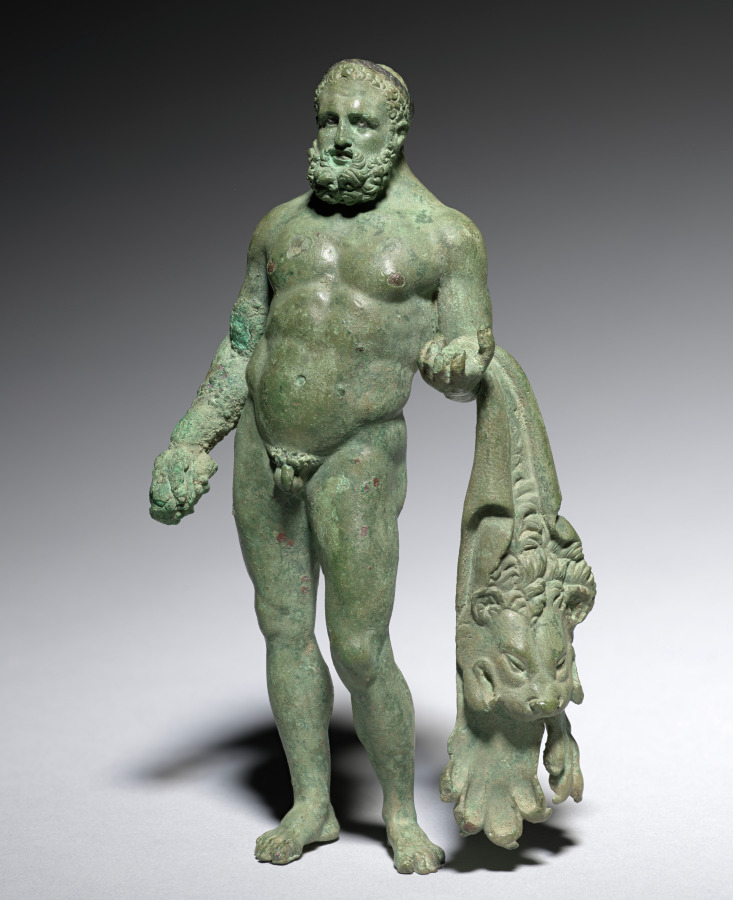
Unknown — "Hercules" (c. 30 BCE–20 CE), CC0
Professional Grief on Demand
When a wealthy Roman died, crowds gathered outside his home. But many of them were hired mourners—women paid to shriek, beat their chests, and wail as loudly as possible. The louder and wilder the display, the greater the family’s prestige.
Mourning as Performance
These mourners might tear their hair, scratch their cheeks, and even rip their clothes—on purpose. Tomb panels and written contracts confirm it was a real profession. Some funerals turned into noisy public theater, with neighbors judging the show almost as much as the memory of the dead.
For the elite, a funeral wasn't just a send-off—it was a spectacle. Families hired teams of female mourners, sometimes dozens, their shrieks meant to advertise the importance of the dead. Archaeological finds include contracts for these services and even tomb reliefs showing mourners in mid-lament. Grief, in Rome, could be a job—and an art form.
