
Romans Believed Cabbage Cured Almost Anything
Long before Caesar’s salad, Romans ate cabbage by the bowl—not for taste, but to ward off everything from drunkenness to plague.
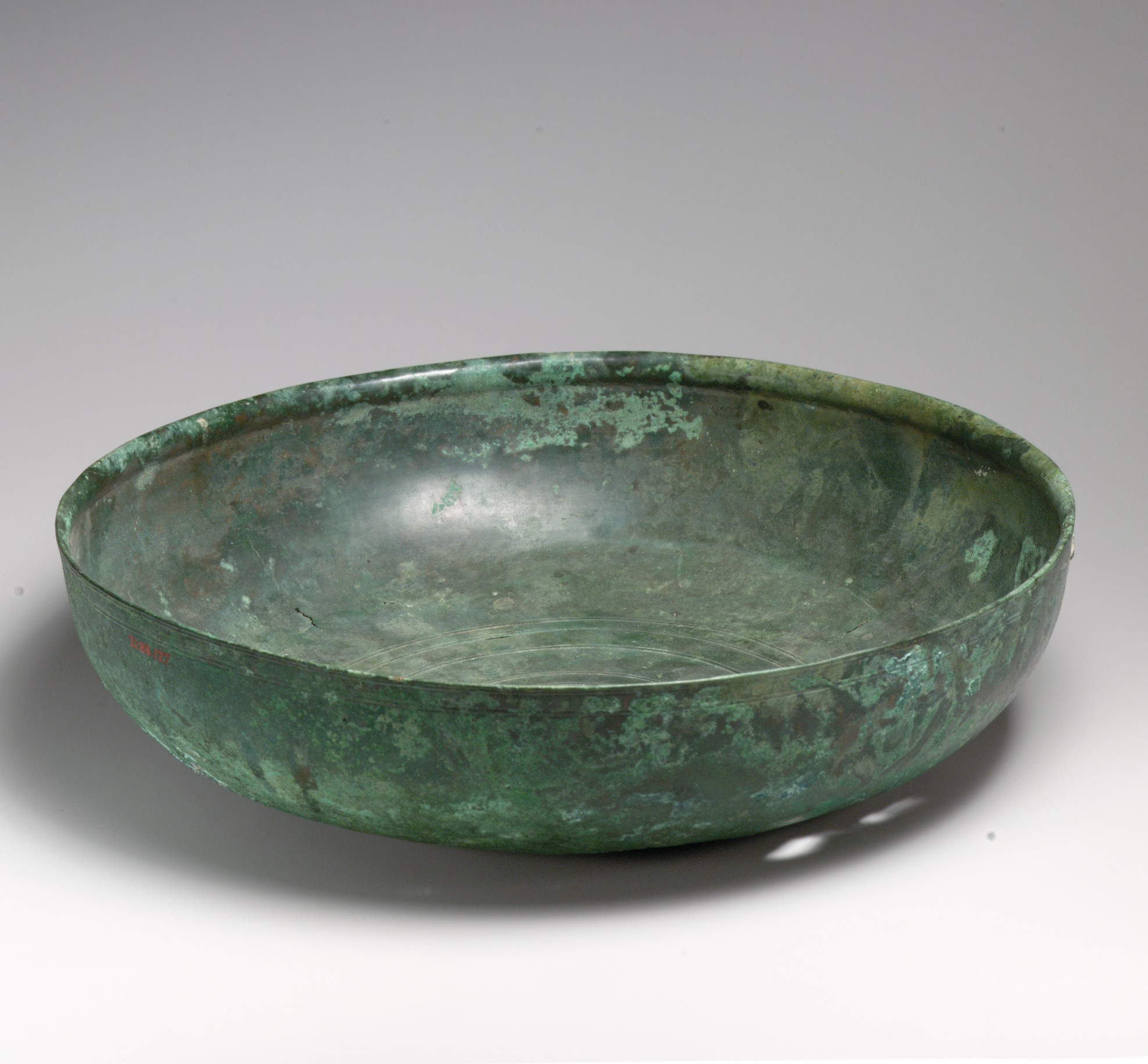
Unknown — "Bronze shallow bowl" (ca. 2nd century BCE–2nd century CE), public domain
Cabbage: Ancient Rome’s Wonder Drug
Long before Caesar’s salad, Romans ate cabbage by the bowl—not for taste, but to ward off everything from drunkenness to plague. It was medicine, not dinner. If you woke up groaning, a Roman would offer you a cabbage leaf.
Cato’s Green Prescription
Cato the Elder, Rome’s crustiest statesman, swore cabbage cured wounds, hangovers, and more. Roman medical texts prescribe it for everything from snakebites to sore joints. Archaeologists keep finding cabbage seeds at Roman sites—the proof is still in the dirt.
Cato the Elder swore by cabbage as a cure-all. He claimed, with a straight face, that cabbage juice healed wounds, prevented hangovers, and even worked as a laxative or poultice. Roman doctors used it for snakebites, ulcers, and sore joints. Archaeological finds of cabbage seeds in Roman settlements back this up: Romans weren’t joking—they gave cabbage a starring role in their medicine cabinets.
