
Musonius Rufus on Food and Virtue
"No food is better for a person than that which grows from the earth." — Musonius Rufus, Rome’s toughest Stoic, puts it in plain Greek, and in a city famous for excess.
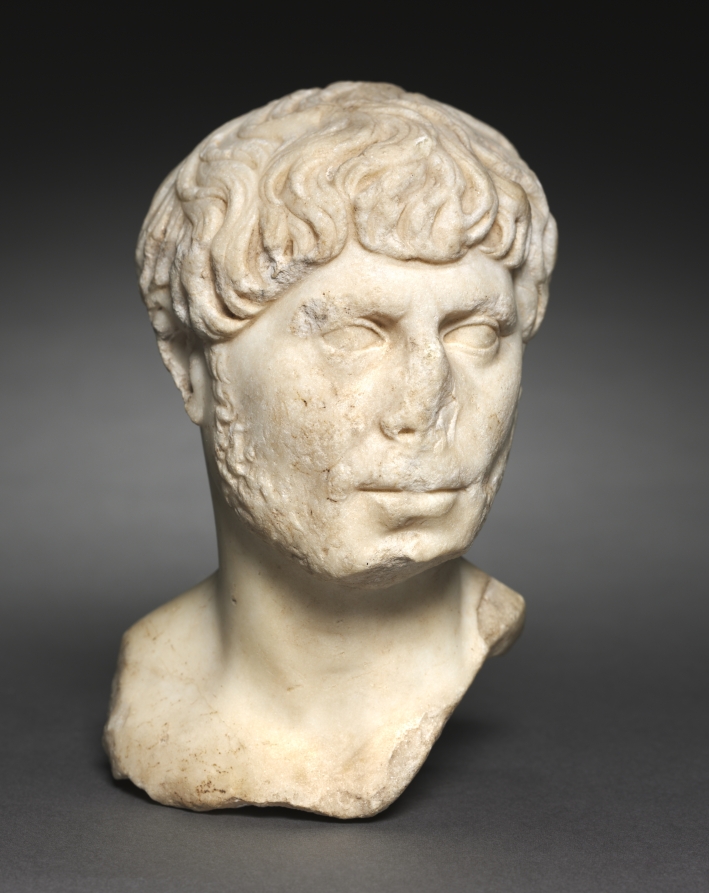
Unknown — "Head of a Bearded Man" (c. 125 CE), CC0
Virtue is on your plate.
Musonius Rufus, in his Discourses (Lecture 18A), states: «οὐδὲν οὕτως ἄνθρωπον ἁρμόζειν τῇ τροφῇ ὡς τὰ ἀπὸ τῆς γῆς φυόμενα.» — "No food is better for a person than that which grows from the earth." In a Rome drowning in oysters and songbirds, he draws the line at roots and grains.
Why this hits deeper than diet advice.
For Musonius, self-mastery starts with breakfast. If you can rule your appetites at the table, you stand a chance in the rest of life. He made food less about pleasure, more about practice—for virtue, for endurance, for control.
The man who lectured in exile.
Musonius Rufus was exiled twice for holding Rome to impossible standards. He taught senators and slaves the same lesson: character is built one meal, one act, at a time. Even his bread was philosophy.
Musonius made the dinner table a philosophical battleground. What you choose to eat, he argued, is what you choose to become. Every forkful is a test of self-rule.
