
Did Lead Poison Rome?
You've heard it: Romans drank wine and water laced with lead, dooming themselves to madness and collapse.
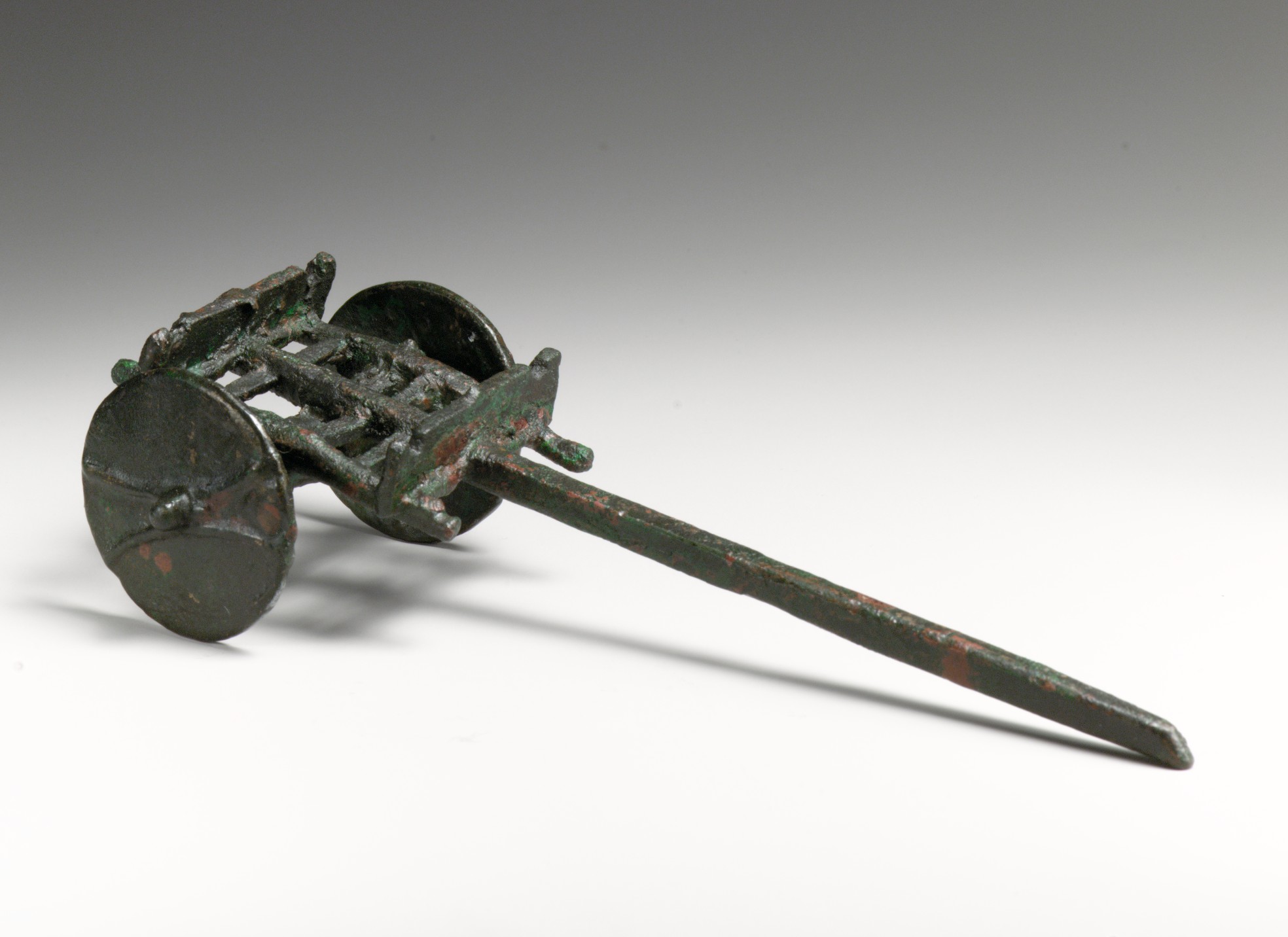
Unknown — "Bronze model of a cart with farmyard group" (2nd century BCE–1st century CE), public domain
The empire poisoned itself?
It’s a favorite half-truth: Rome fell because its elite sipped lead-sweetened wine, turned mad by their own pipes. Textbooks and documentaries repeat the claim. You picture senators drooling, losing their minds, all thanks to ancient plumbing.
The real story is messier.
Romans did use lead pipes (fistulae) and sometimes added lead acetate to wine for a sweet kick. But studies of ancient skeletons show little evidence of mass lead poisoning—no waves of dementia or organ failure. Rome’s collapse? Blame politics, invasions, and economics, not just the water supply.
So how did the myth catch on?
In the 19th century, medical writers fascinated by industrial toxins spotted ancient lead use and made the leap: Rome, undone by its own technology. It made for a gripping story—but the evidence just doesn’t add up.
Yes, Romans used lead pipes and sweetened wine with lead, but archaeological and skeletal evidence shows no epidemic of lead poisoning. The empire's fall had far deeper causes.
