
Romans Did Not Die From Lead Poisoning
You've heard it: Rome fell because its pipes and wine cups poisoned everyone with lead. Brain damage, madness—an empire undone by its own plumbing.
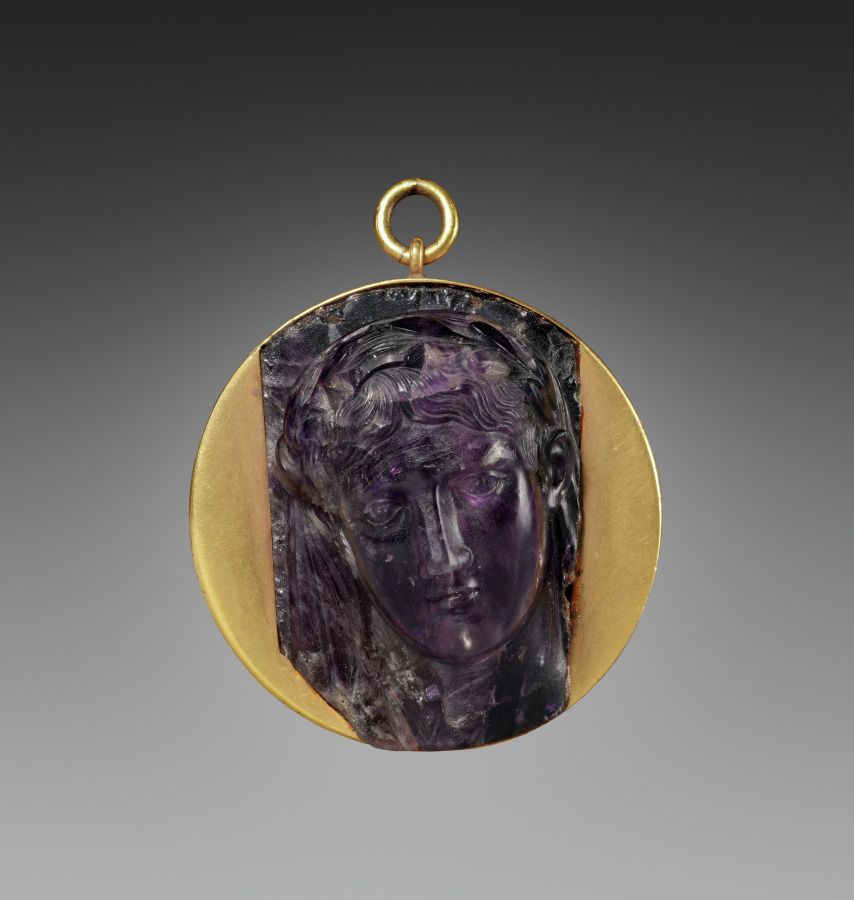
Unknown — "Cameo: Head of a Woman" (1–100 CE), CC0
The empire undone by lead?
Textbooks and documentaries love this story: Romans poisoned themselves with lead water pipes and wine goblets. Generations grew sick and stupid, causing the empire to unravel from within. Madness in marble halls, all thanks to bad plumbing.
The real culprit wasn't the pipes.
Archaeological studies of Roman skeletons reveal only moderate lead exposure—nowhere near enough to cause mass insanity or collapse. Elite Romans did use lead in cups and pipes, but most people drank from wells or aqueducts lined with stone. The 'lead poisoning killed Rome' myth just doesn’t hold water.
Why did this myth spread?
Victorian-era scientists needed a tidy explanation for Rome’s fall. The idea of an advanced society rotting from within—literally—proved irresistible. But the real story of Rome's end is a web of wars, politics, and economics, not just chemistry.
Yes, Romans used lead—lots of it. But modern studies of skeletal remains show no mass lead poisoning epidemic. Rome's collapse was far messier and more political than a simple case of bad water.
