
Roman Graffiti: More Than Dirty Jokes
Think ancient Roman graffiti was just crude jokes and obscenities? The walls of Pompeii reveal a whole lost city of love notes, poetry, shop ads—and even political attack ads.
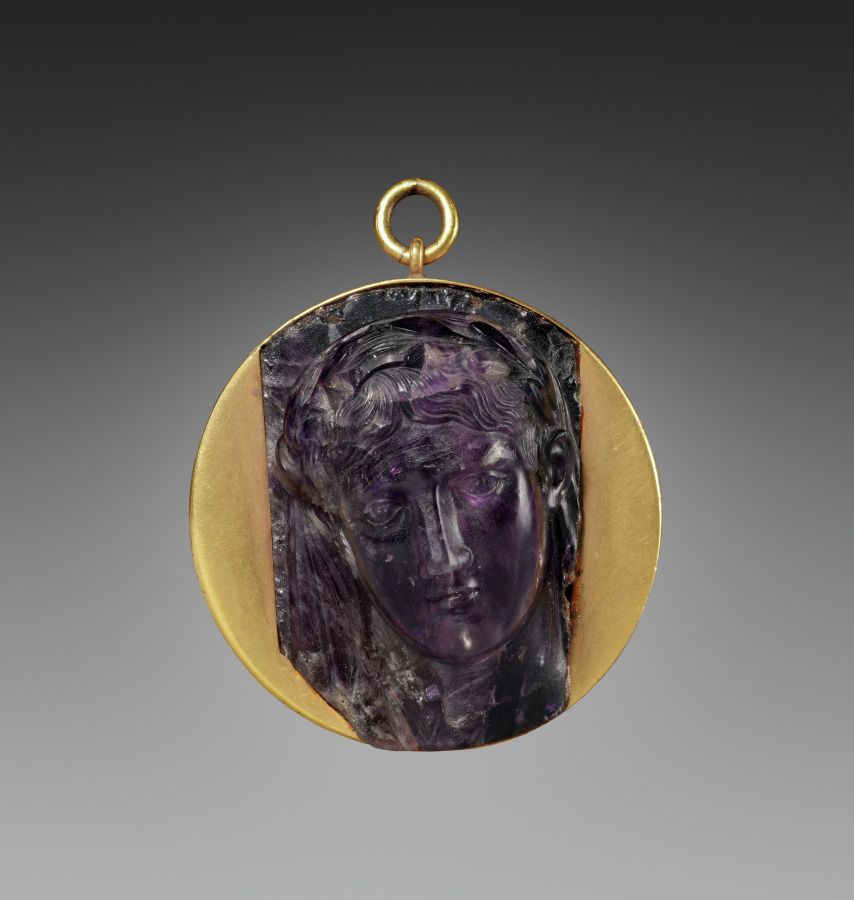
Unknown — "Cameo: Head of a Woman" (1–100 CE), CC0
Crude jokes on every wall?
You've probably pictured Roman cities scrawled with obscene graffiti—dirty drawings, insults, and nothing but filth. Pompeii's walls, so the stereotype goes, were the original bathroom stall. In reality, Romans used graffiti to share everything from poetry to politics.
A lost city of voices.
Archaeologists have uncovered over 11,000 graffiti in Pompeii and Herculaneum. Yes, some are bawdy, but others are heartbreakingly human—love poems, personal ads ('Atimetus got me pregnant!'), even restaurant reviews and political slogans. Graffiti was how ordinary Romans broadcast their lives.
Why do we think it was all filth?
Nineteenth-century scholars cherry-picked the lewdest examples, titillating Victorian audiences while ignoring the rest. Most graffiti never made it into textbooks. Read the walls in full, and you find an ancient city pulsing with gossip, hope, and personality.
Roman graffiti covered everything from heartbreak to campaign slogans, offering a raw, vivid glimpse into daily city life. Archaeologists have found thousands—including personal ads and honest reviews. The myth of pure filth comes from cherry-picked translations, not the full story.
