
Were All Gladiators Slaves?
Every movie makes gladiators faceless slaves, forced to die for a crowd. But some signed up by choice—and not just a few.
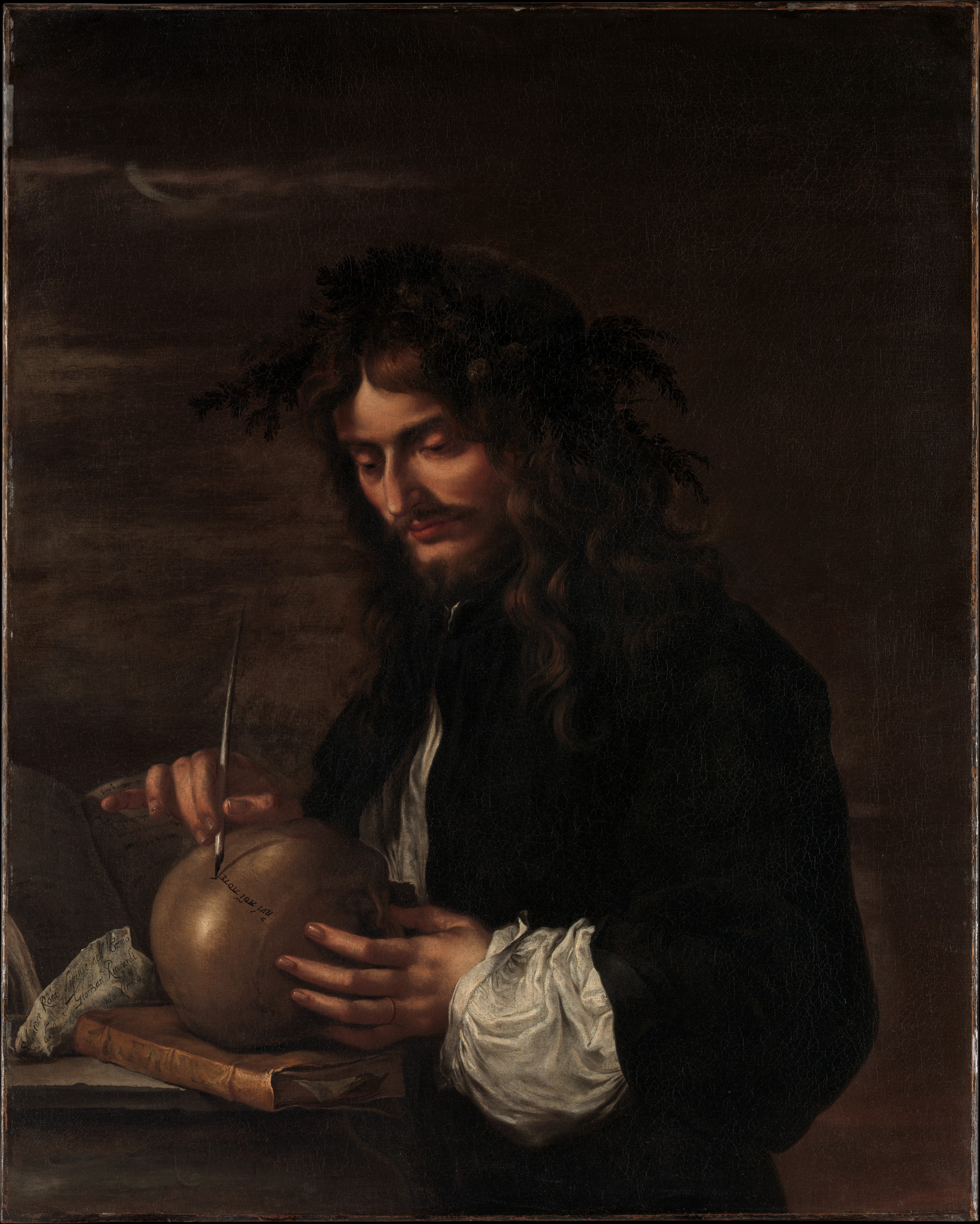
Salvator Rosa — "Self-Portrait" (ca. 1647), public domain
Gladiators: always slaves, right?
You picture every gladiator as a doomed slave, thrown into the arena against his will. Shackles, desperation, no way out. That's the image hammered into us by movies and TV.
Many chose the arena—willingly.
Ancient inscriptions reveal a twist: up to half of all gladiators were volunteers, called 'auctorati.' Free men—sometimes even Roman citizens—signed contracts to fight. For some, it meant clearing debts or chasing fame. Others craved the prize money, or just wanted the thrill. The crowd often cheered loudest for these professionals.
How the myth stuck.
Why the confusion? Centuries of Christian writers painted gladiators as victims of Roman cruelty, and modern cinema doubled down on the image of the shackled slave. But the sand told a stranger, more complicated story.
Free men and even Roman citizens volunteered to fight as gladiators. Their reasons ranged from debt to wild ambition. The arena was a stage, but the stories in the sand are rarely what Hollywood shows.
