
Were Gladiators Vegetarian?
Think ancient gladiators fueled up on slabs of meat and blood before battle? Movies love the image—columns of muscle, sunk teeth in rare steak.
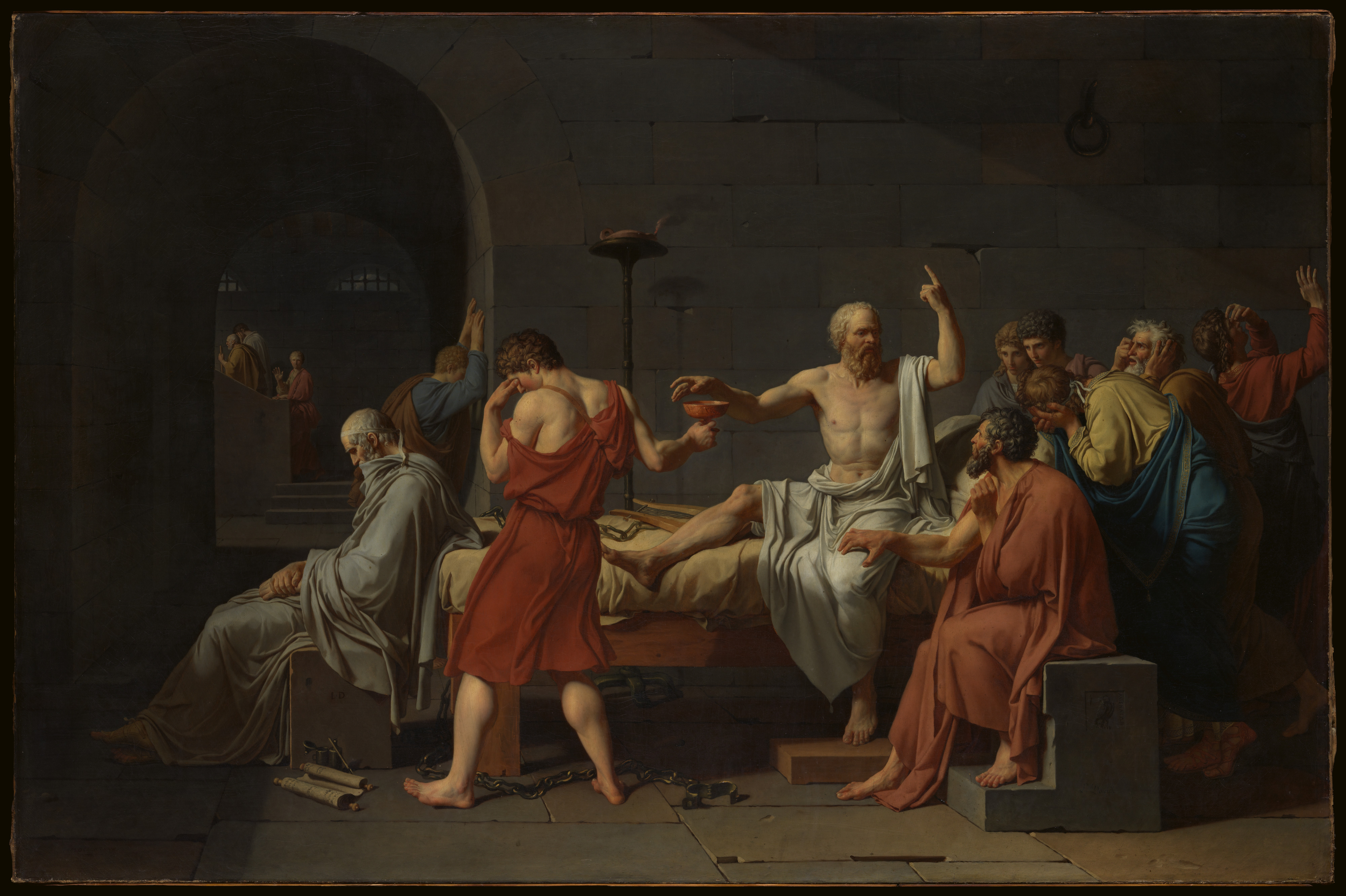
Jacques Louis David — "The Death of Socrates" (1787), public domain
Meat and blood—gladiator fuel?
Picture ancient gladiators: sweat, sand, and a bloody steak in hand. The myth says they gorged on meat to bulk up for the arena—true warriors need protein, right? Hollywood loves to show Rome’s fighters feasting like carnivores.
The real diet: beans and barley.
Archaeologists studied bones from gladiator cemeteries at Ephesus, analyzing strontium and calcium. The verdict? Gladiators ate a heavy plant-based diet—lots of barley and beans. Roman writers even mocked them as 'hordearii,' or 'barley men.' It was less about strength, more about building a thick layer of fat to protect against shallow cuts in the sand.
How did this myth start?
Modern gyms and movies project our protein obsession onto the past. Ancient texts describe gladiators as heavy but not ripped—mass mattered more than muscle. Steak was for emperors, not for the men risking their lives before the crowd.
Analysis of gladiator bones in Ephesus shows they ate mostly beans and barley—earning them the nickname 'barley men.' Their plant-heavy diet helped pack on mass for dramatic fights, not for peak athletic agility.
