
Did 'Thumbs Down' Mean Death?
Every movie shows the emperor giving a thumbs down—instantly spelling doom for a defeated gladiator.
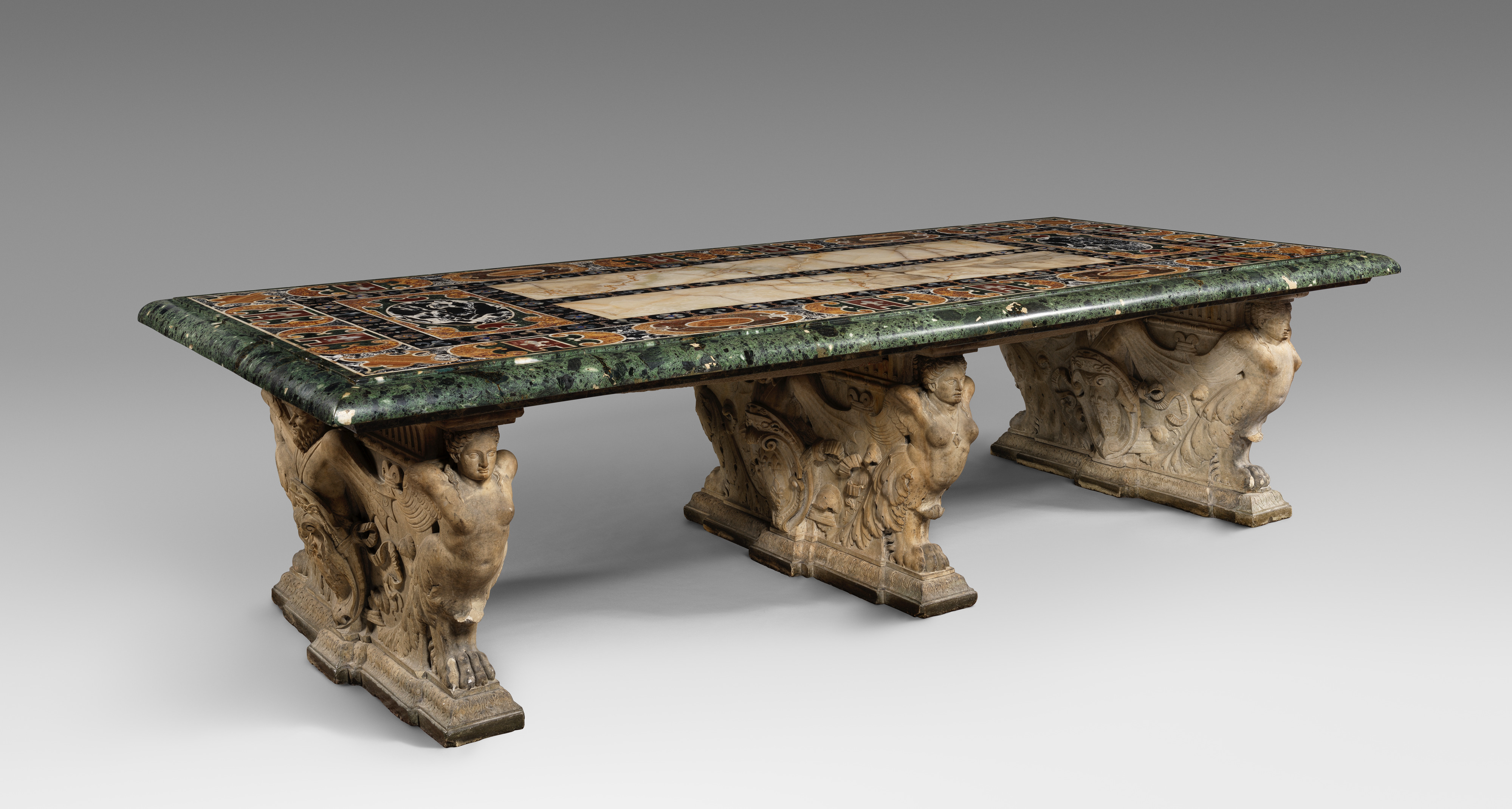
Jacopo [Giacomo] Barozzi da Vignola — "The Farnese Table" (ca. 1565–73), public domain
The iconic 'thumbs down'.
Think of a Roman arena: the crowd roars, a bloodied gladiator waits, and the emperor delivers the final verdict with a simple thumbs down. It's the universal sign—death. But that gesture, as seen in every film, never existed in ancient Rome.
The truth is stranger.
Roman writers like Juvenal and Suetonius describe gestures, but not our modern thumbs down. The phrase 'pollice verso' means 'with turned thumb', but evidence suggests a thumb up or thrusting motion meant death. Mercy was shown with a closed fist or hidden thumb. Hollywood got it backward.
How did we get here?
The myth comes from Renaissance painters like Gérôme, who painted dramatic scenes later picked up by filmmakers. The real Roman signals are lost to us—but they were not what you see on screen.
Ancient sources suggest the real gestures were far different—thumbs up could mean death, and a closed fist meant mercy. The 'thumbs down' myth is a Renaissance remix, not a Roman reality.
