
The Gladiator 'Hail Caesar' Salute
You picture gladiators saluting the emperor—'Ave Caesar, those about to die salute you.' Hollywood made it a Colosseum catchphrase.
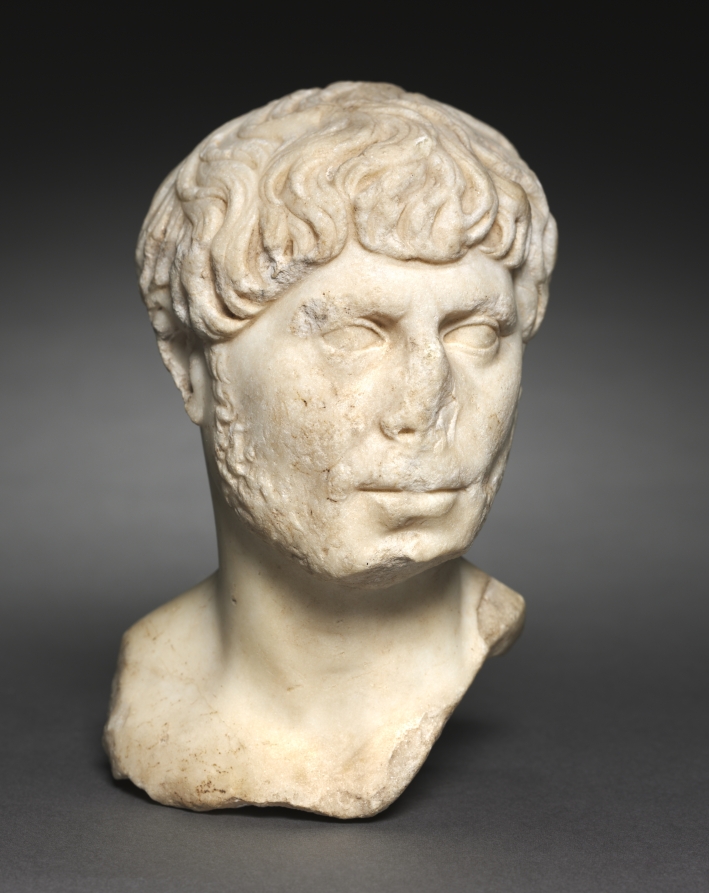
Unknown — "Head of a Bearded Man" (c. 125 CE), CC0
The iconic salute—never routine.
Every movie shows it: gladiators lined up, arms outstretched, shouting 'Ave Caesar, morituri te salutant!' before battle. It’s the ultimate moment—desperate fighters begging the emperor for mercy before the killing starts. But this epic salute wasn’t a daily arena ritual.
One day, not every day.
The only time we know this phrase was used comes from Suetonius: condemned men, not gladiators, addressed Emperor Claudius at a staged naval battle on Lake Fucinus. Gladiators had no set phrase, and most weren’t certain to die. The quote stuck because it sounds legendary—and it is.
A myth born from drama.
Later writers and painters latched onto the phrase, transforming a single episode into a gladiatorial tradition. The real Colosseum was rowdier, messier, and full of improvisation—not scripted for posterity.
The real salute was a one-off event, not a daily ritual. Ancient sources record it once, at a naval spectacle—not as the standard gladiator greeting.
