
Not All Arena Sand Was Blood-Red
You picture the Colosseum floor stained permanently red, sand soaked with centuries of blood. But the sand—called 'harena'—was almost always a natural pale yellow, replaced daily.
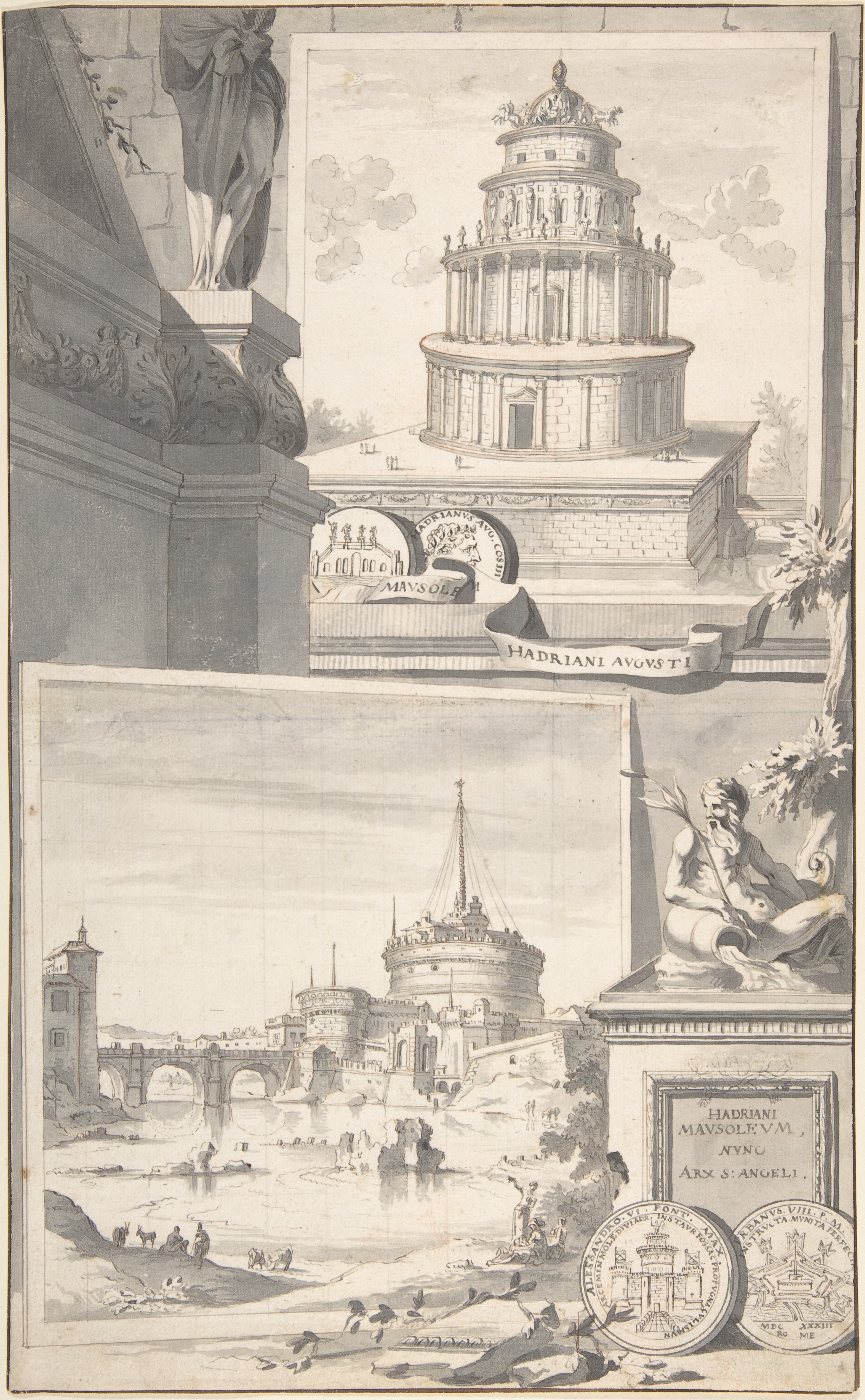
Jan Goeree — "Reconstruction of the Mausoleum of Hadrian (above) and a View of the Castel S. Angelo (below)" (before 1704), public domain
Myth: The arena floor ran red.
Every film loves it—the Colosseum’s sand eternally stained with the blood of gladiators, red as a butcher’s apron. You can almost smell the iron in the air. The myth lingers like a shadow over every ancient spectacle.
Fact: The sand was pale and replaced daily.
Crews spread fresh yellow or white sand before each event, sometimes importing expensive volcanic grit just for the texture. Sand absorbed not just blood, but sweat, wine, and animal waste—keeping the surface dry and the spectacle running. No single day’s horrors lasted long: the canvas reset, again and again.
How did the myth begin?
Early Renaissance writers and later Hollywood directors loved a good visual. But ancient sources never mention blood-soaked floors as a permanent feature. What stuck was the drama—not the daily, dusty labor behind every show.
Colosseum crews spread clean, light sand before each show to absorb spills and keep footing safe. Archaeologists have even found traces of imported volcanic sand, prized for its color and texture. The idea of a permanently blood-red arena is pure modern imagination.
