
Roman Naming Conventions
Every Roman had three names, right? Praenomen, nomen, cognomen—textbook stuff. But for most, it wasn’t so simple.
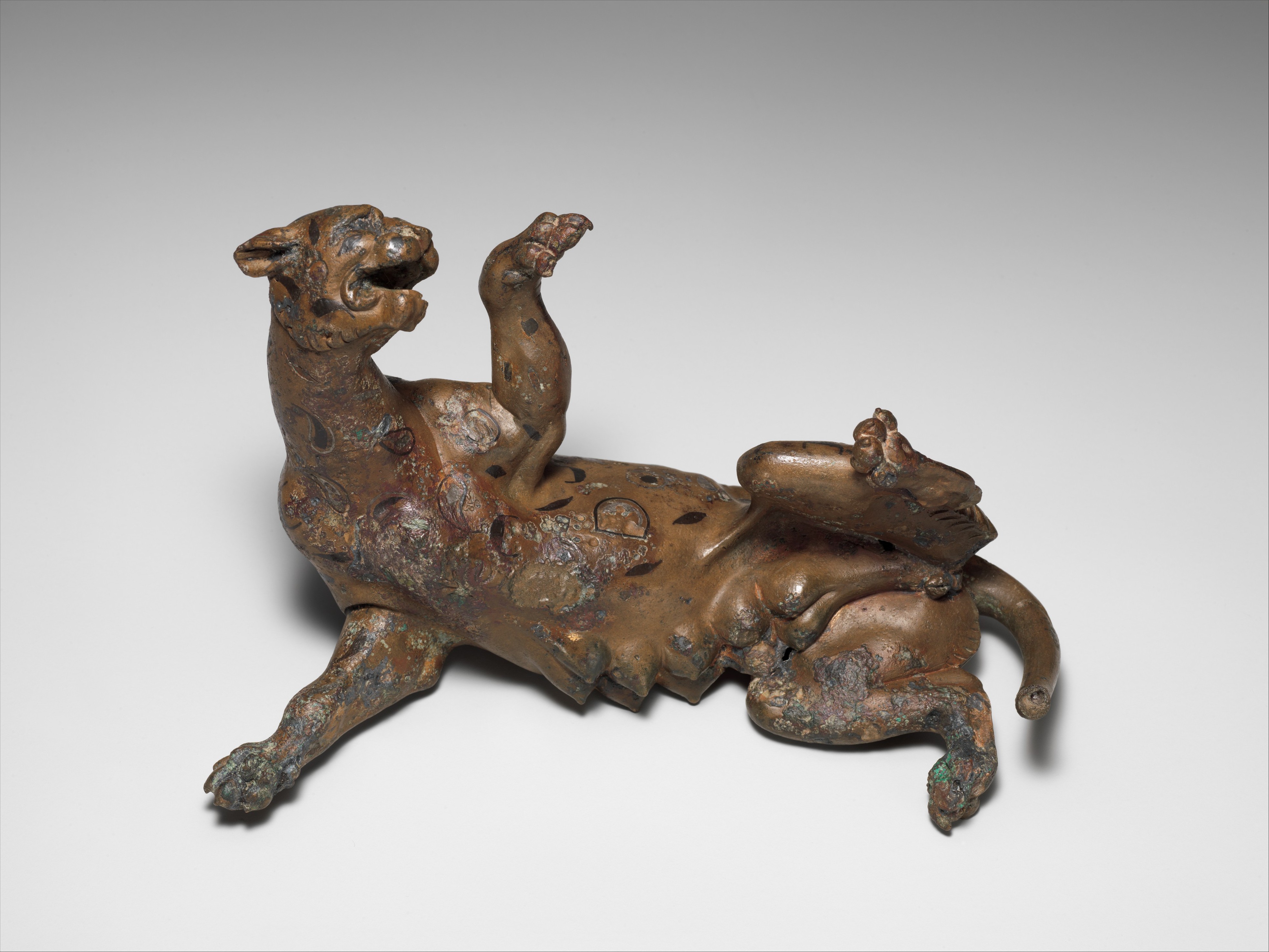
Unknown — "Bronze statuette of a pantheress" (1st–2nd century CE), public domain
The 'three names' myth.
You picture every Roman child being handed a mouthful: Gaius Julius Caesar, Marcus Tullius Cicero. Every school chart lays out the praenomen, nomen, and cognomen—three names, every time. But the vast majority of Romans never had this trio.
One name, two names, and social status.
Ordinary Romans—women, slaves, and most freedmen—inventoried themselves with just one or two names. Only the male elite adopted the full three: personal, clan, family branch. Even then, names changed over time and sometimes stacked up into six or more for social or political flex. Archaeologists find countless tombstones with only a single name: 'Felix,' 'Primus,' 'Livia.'
Blame the textbooks and the emperors.
The triple-name system became famous because imperial big shots loved collecting elaborate names. Modern writers then projected this backward—so we remember the exceptions, not the rule. Everyday Romans would find 'Gaius Julius Caesar Octavianus' as over-the-top as we do.
Most Romans had just two names, sometimes only one. The famous three-name pattern was an elite quirk, not a universal rule.
