
Roman Laundry Washed with Human Urine
Step into a Roman fullonica and the ammonia stings your nose—their laundry ran on human urine.
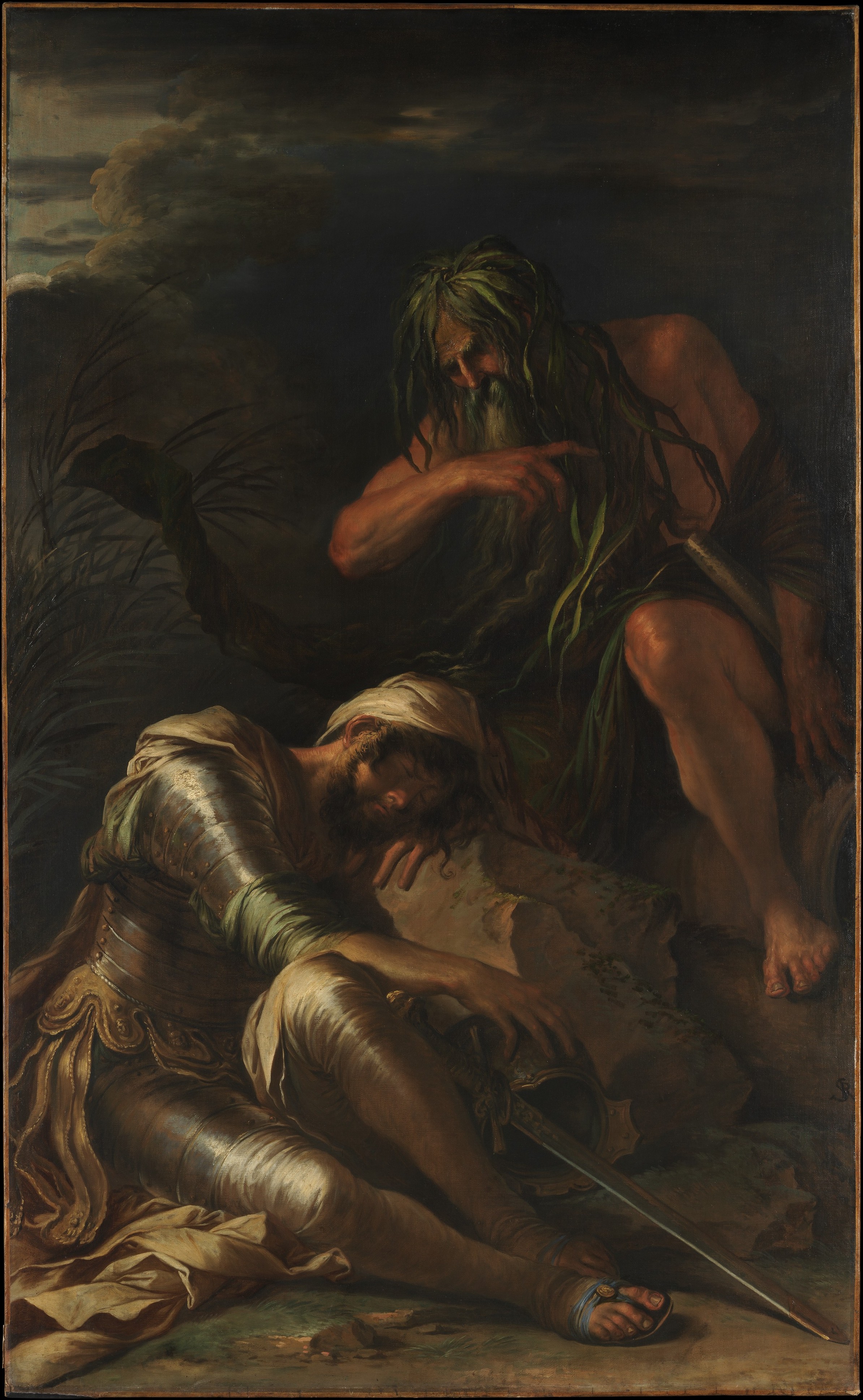
Salvator Rosa — "The Dream of Aeneas" (1660–65), public domain
Roman Laundry Reeked of Urine
Roman laundries—fullonicae—ran on urine, not soap. Citizens relieved themselves in jars, which were collected and poured into vats in the workshop. The result was an unmistakable stench and brilliantly clean togas.
The Empire Taxed Toilet Waste
Urine’s ammonia made it a prized cleaning agent. So prized that Vespasian, emperor in the first century, taxed the urine trade. The phrase 'Pecunia non olet'—money does not stink—comes straight from his nose for business.
Laundries in ancient Rome collected urine from public urinals, using its ammonia-rich liquid to bleach and clean tunics. Workers would tread laundry in vats of diluted urine, sometimes ankle-deep for hours. The government even taxed the urine trade—a literal “toilet tax” that funded the empire.
