
Was Rome Always the Capital?
Rome wasn’t always the beating heart of the Roman Empire. By the fourth century, emperors barely set foot there.
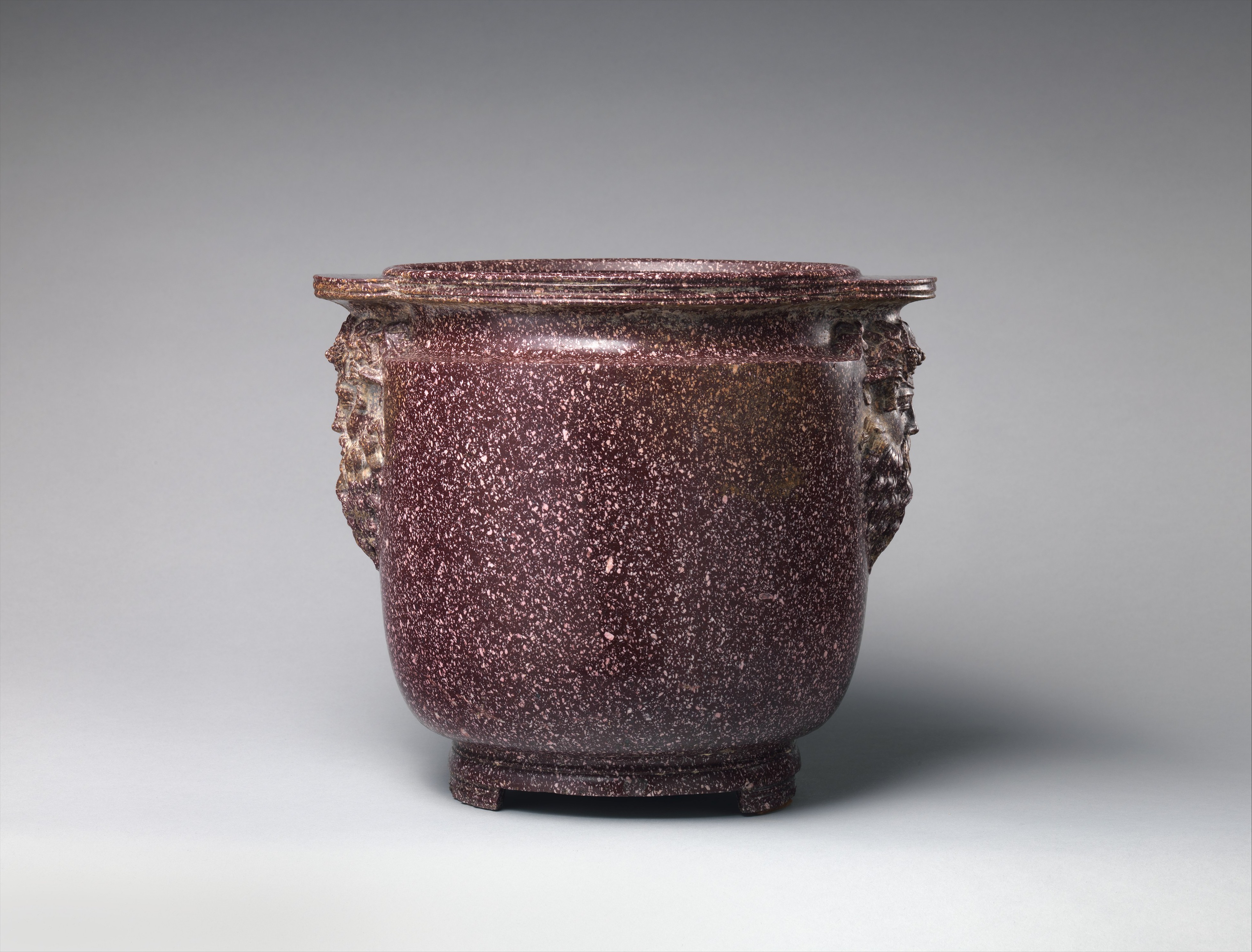
Unknown — "Porphyry vessel with bearded masks" (ca. late 1st century BCE‒early 2nd century CE), public domain
The myth: Rome ruled from Rome.
Picture the empire at its height—every decision, every emperor, every intrigue happening right inside Rome’s marble walls. The phrase 'all roads lead to Rome' seems unshakeable. But for much of Late Antiquity, the emperors were almost never home.
The real capitals moved east.
Starting with Diocletian, emperors set up shop in Milan, Ravenna, and especially Constantinople. Political power gravitated east, closer to threats and trade. Rome kept its grandeur, but by the time of Constantine, the city was a stage for nostalgia, not government.
How did this myth stick?
For centuries, Rome’s name became shorthand for the empire—'Roman' meant 'civilized,' even when actual power had shifted hundreds of miles away. Even today, we still call it the Roman Empire, not the Milanese or Constantinopolitan Empire.
Constantinople and other cities became imperial capitals, reflecting power shifts and imperial strategy. The 'Eternal City' was more symbol than seat of government.
