
Did Every Roman Home Have a Mosaic?
You picture every Roman villa with a dazzling mosaic floor—intricate patterns, mythic scenes, every hallway a masterpiece.
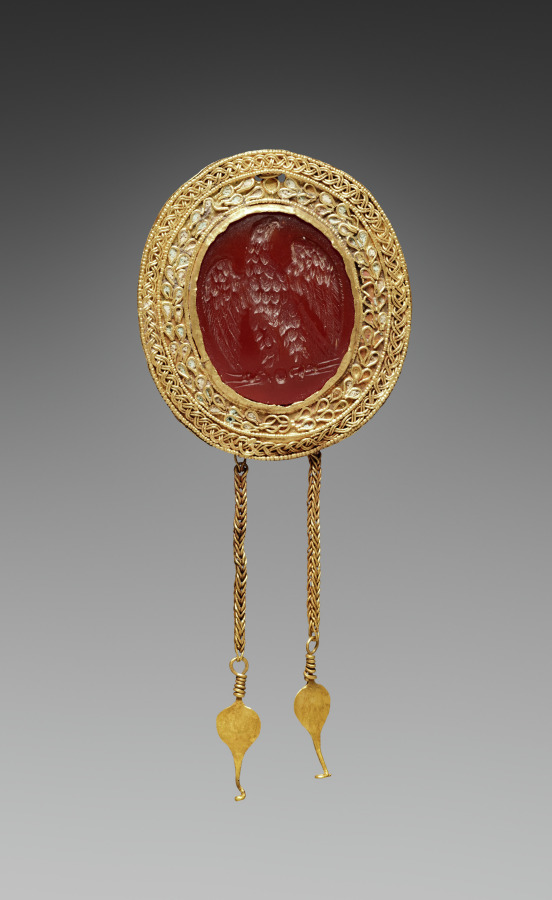
Unknown — "Intaglio: Imperial Eagle" (c. 1–25 CE), CC0
The world of endless mosaics?
If you believe the movies, every Roman ate breakfast staring at dolphins or gods in glittering stone. Rich patterns covered every floor, every room. Even the bathhouse sparkled with art. But this is a fantasy built on museum gift shops and luxury ruins.
The truth: mosaics were for the few.
Archaeology tells a humbler story. Most Roman homes—especially in cities—had bare packed earth, wood, or the cheapest tiles. Only the wealthiest could afford mosaics on par with Pompeii’s masterpieces. If you were an average Roman, you swept dirt, not marble chips.
Why this myth stuck around.
Many of the best-preserved Roman sites—like Pompeii and Herculaneum—were elite homes frozen in time. Museums put their mosaics front and center, so it feels like everyone had them. But the opulence was rare. Most Romans just dreamed of patterns underfoot.
Most Romans never set foot on a mosaic. These artworks belonged to the elite, and plenty of Roman homes had packed earth or plain tile floors.
