
The Thumbs Down Death Sentence
In every movie, a Roman emperor gives a thumbs down and a gladiator dies. But the real 'thumbs down' never meant death in ancient Rome.
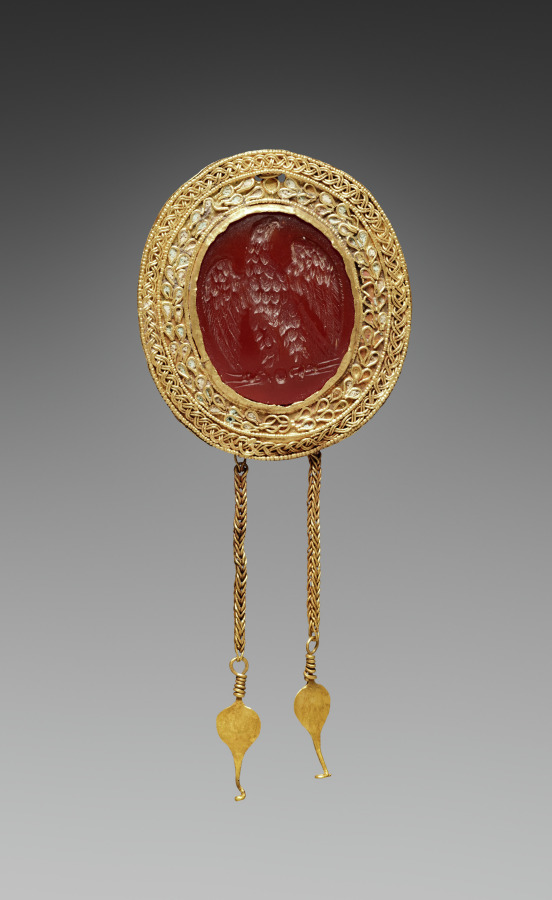
Unknown — "Intaglio: Imperial Eagle" (c. 1–25 CE), CC0
Thumbs down = death?
Every Hollywood Colosseum ends with the emperor’s thumb plunging down and a doomed gladiator. It looks decisive, dramatic, and ancient. But in reality, Romans never used 'thumbs down' as a death sentence.
The gesture was a mystery.
Roman texts mention turning the thumb or waving a cloth, but never specify which motion meant death or mercy. Some evidence suggests a covered fist meant mercy, while a thrust thumb (pollice verso) signaled killing. No ancient author says 'thumbs up' or 'down'—that’s a modern invention.
Blame the Victorians.
The mix-up came from 19th-century painters like Gérôme, who imagined pollice verso as thumbs down. Their dramatic vision stuck—and shaped every gladiator film since.
Ancient sources never say that the emperor’s thumb gesture meant death. In fact, the signals were more complex and might not have involved the thumb at all.
