
Roman Emperors and the Latin Language
Film and textbooks love this: Roman emperors, speaking only in Greek, barely bothering with Latin—their own empire’s language.
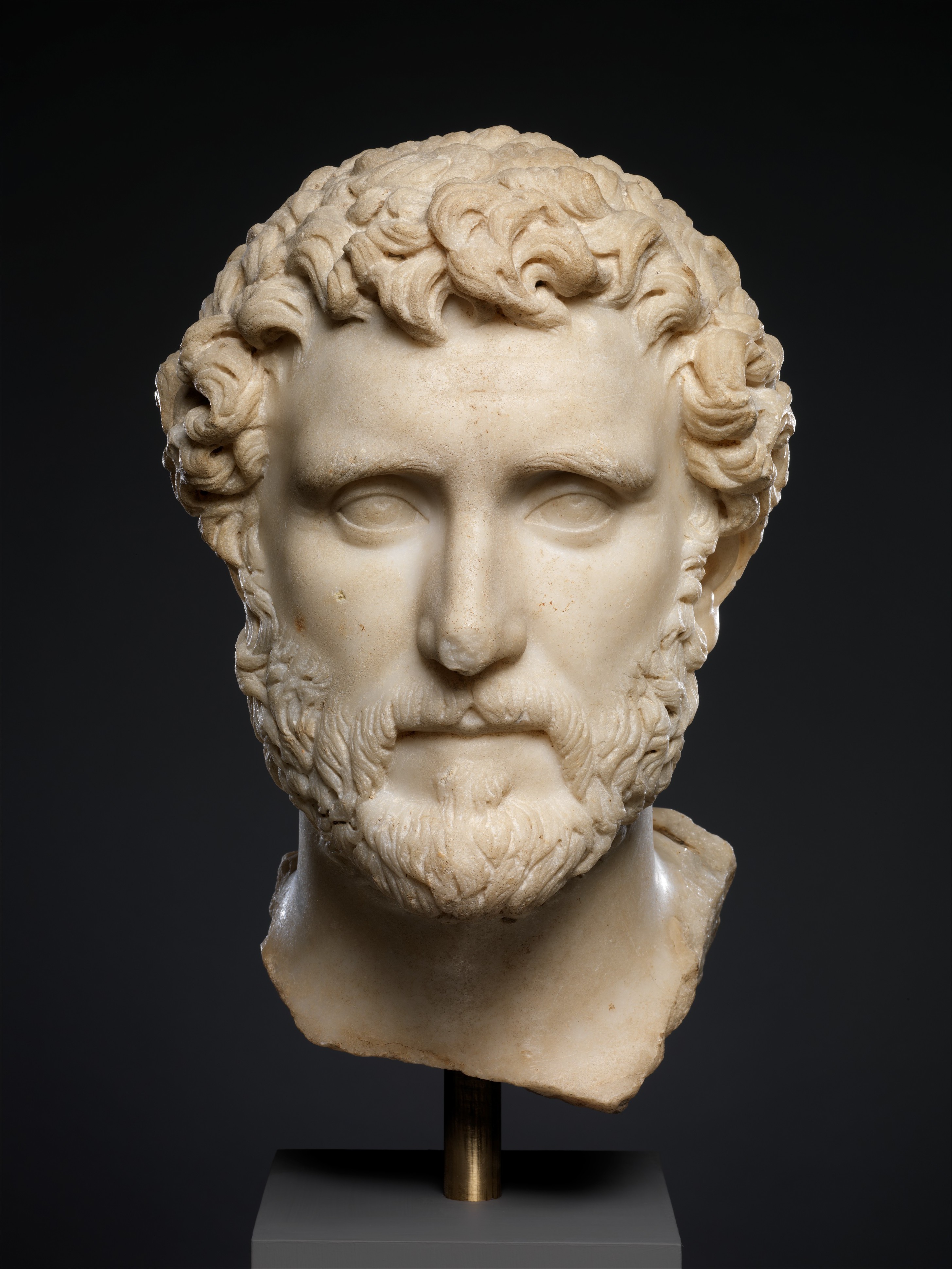
Unknown — "Marble portrait of the emperor Antoninus Pius" (ca. 138–161 CE), public domain
Emperors who snubbed Latin?
Movies and even some books claim Roman emperors turned up their noses at Latin, the language of togas and law. Supposedly, Greek ruled the palace, and Latin was for the streets and armies. The emperor himself, reciting Homer, barely grunted in Latin.
In Rome, Latin was king.
The truth? For official decrees, laws, and military orders, emperors relied on Latin. Augustus, Trajan, even Hadrian—fluent in both, but they wielded Latin when it mattered. Greek was admired and sometimes used in the east, but Latin was the voice of Roman power and tradition.
Where did the myth come from?
This myth grew as the empire expanded east, and later emperors like Marcus Aurelius wrote their thoughts in Greek. But in the halls of Rome itself, Latin remained the language of command—no translation necessary.
Most Roman emperors were fluent in Latin and used it for law, ritual, and statecraft. While Greek was prestigious, Latin was essential for power in Rome.
